When working on construction or renovation projects, many clients often confuse light steel keel for drywall walls with light steel keel for ceiling systems. Understanding the key differences is essential to ensure proper installation and optimal performance of your interior structures.
In this guide, we’ll clarify the distinctions between metal studs for walls and ceiling grids, highlighting their unique applications, design, and structural requirements.
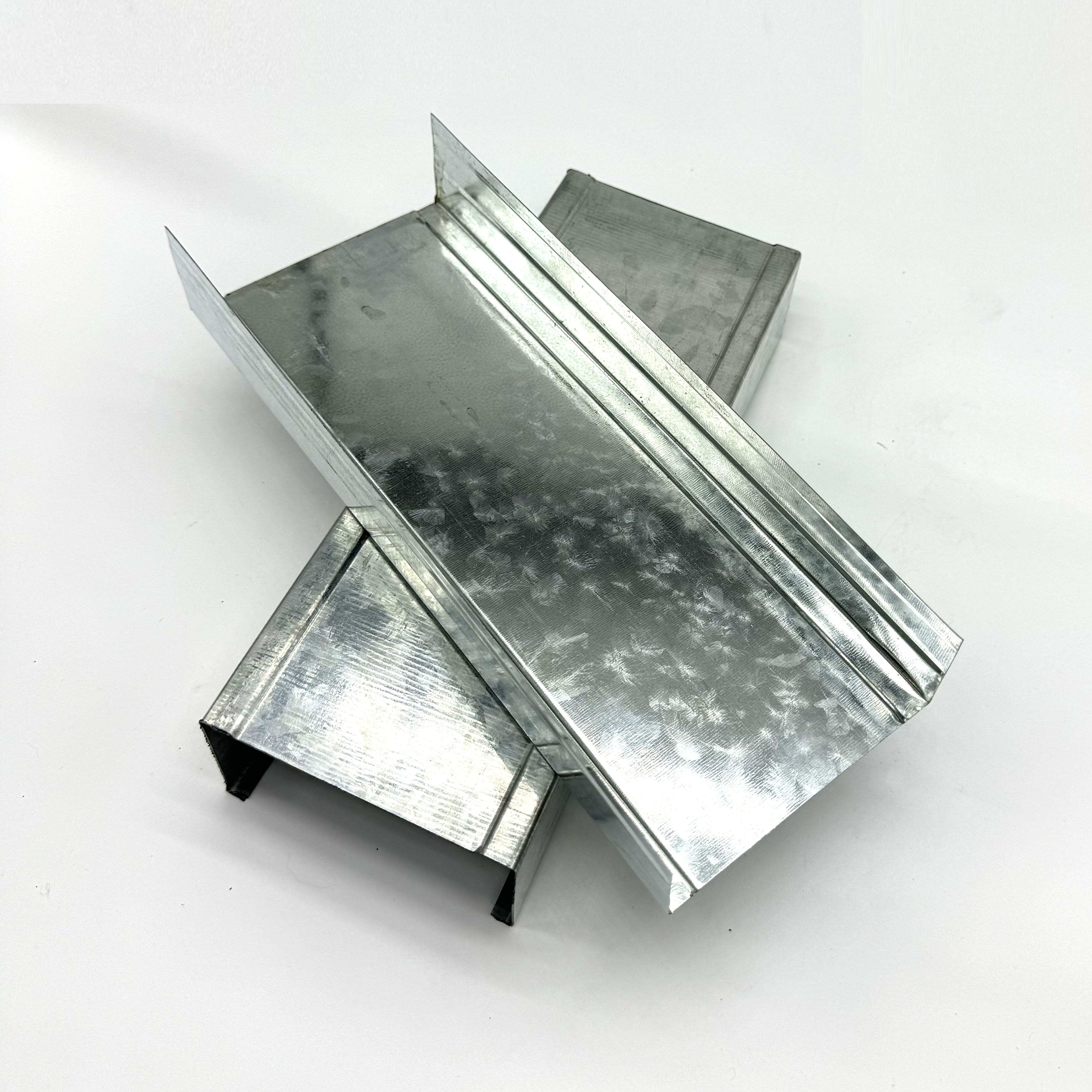 1. Purpose and Application
- Drywall Light Steel Keel (Metal Studs):
Primarily used to create non-load-bearing partition walls, interior wall framing, and wall panels. These studs provide vertical support for drywall sheets and help define room layouts.
- Ceiling Light Steel Keel (Ceiling Grid):
Designed specifically for suspended ceiling systems. These keels support ceiling panels and tiles, forming the horizontal structure that holds the ceiling in place.
👉 Key Difference: Wall studs are vertical and support walls, while ceiling keels are horizontal and support suspended ceilings.
2. Profile and Design Differences
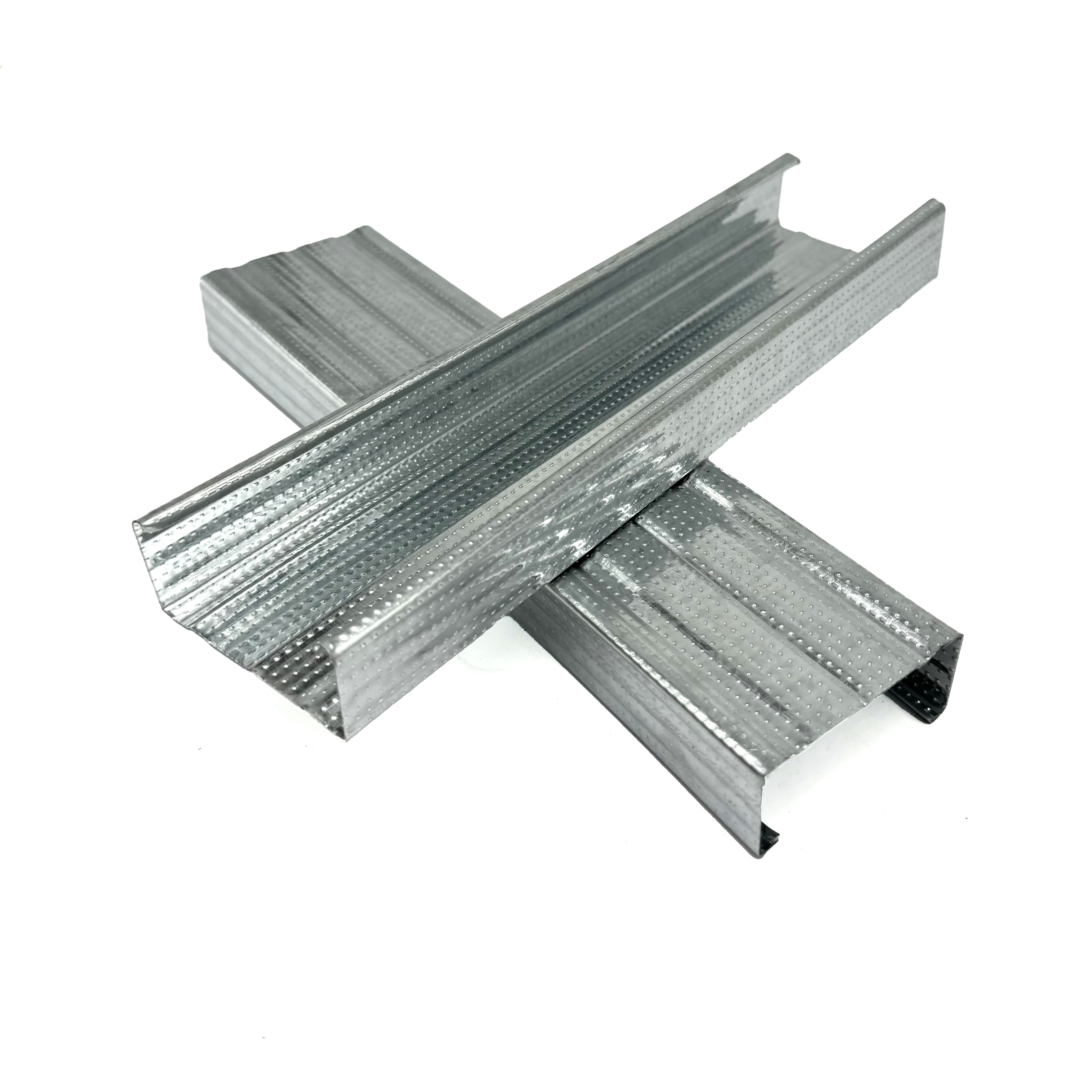
- Wall Studs:
- Usually C-shaped or U-shaped profiles
- Taller and heavier to accommodate vertical loads
- Designed for rigidity and straight alignment
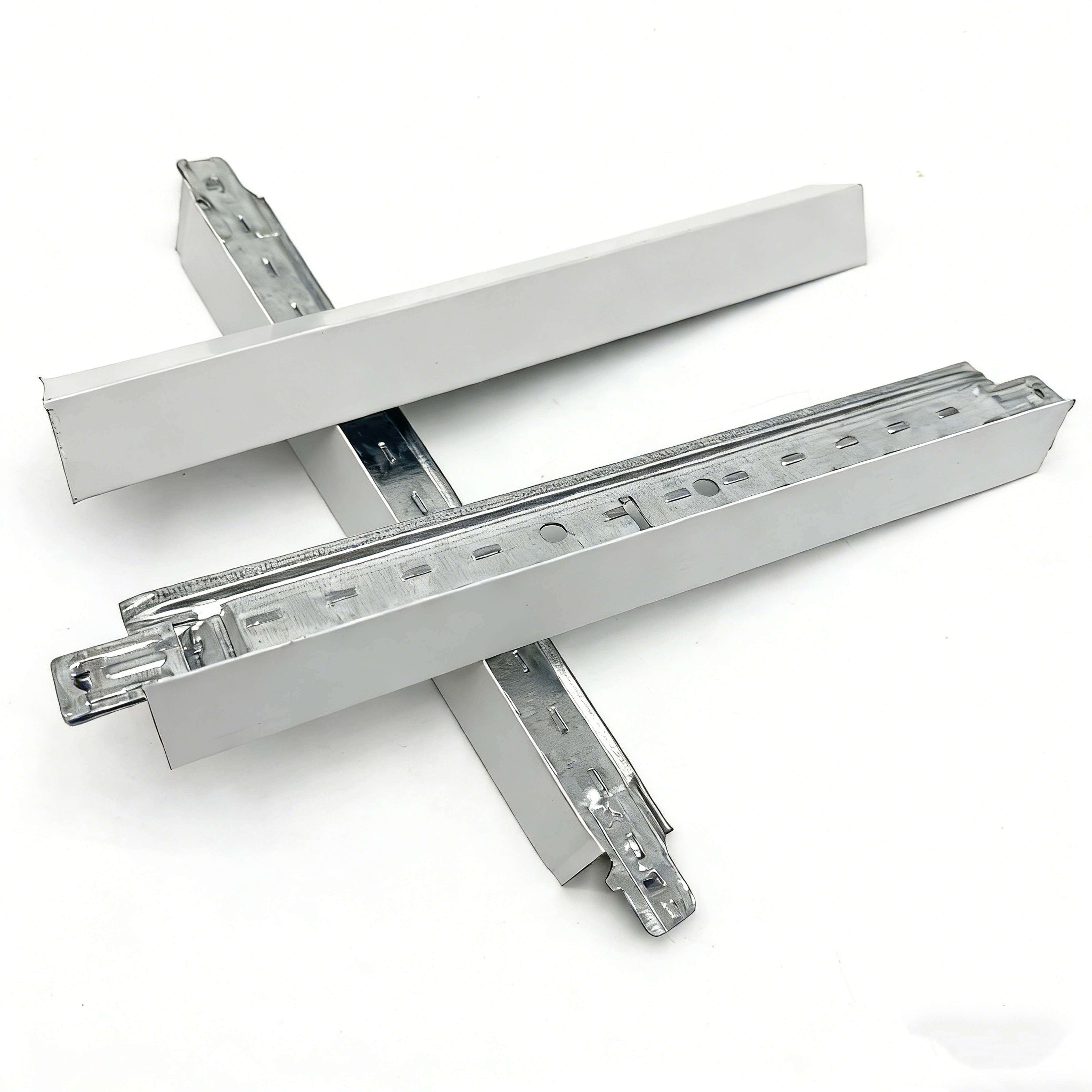
- Ceiling Keels:
- T-shaped or cross-shaped profiles to support panels
- Lightweight for easier handling during ceiling installation
- Flexible lengths and interlocking design for suspended ceiling grids
 3. Load-Bearing and Strength
- Wall Keels:
Must support the weight of drywall vertically and resist bending or twisting. Thickness and gauge are critical to ensure wall stability.
- Ceiling Keels:
Primarily support horizontal loads from ceiling tiles and lighting fixtures. While they need strength, the weight they carry is usually less than wall studs.
4. Installation Orientation
- Drywall Studs:
Installed vertically from floor to ceiling, attached to tracks at the top and bottom. Stud spacing depends on wall height and load requirements.
- Ceiling Keels:
Installed horizontally in a grid pattern, suspended from the structural ceiling using hangers or wires. The grid spacing is determined by ceiling tile size.
5. Common Mistakes to Avoid
- Using wall studs for ceiling grids – may be too heavy or rigid for ceiling systems.
- Using ceiling keels for walls – may not provide adequate vertical strength.
- Confusing spacing standards – wall studs and ceiling grids follow different measurement guidelines.
 6. Application Scenarios
| Application |
Light Steel Keel Type |
Notes |
| Partition walls |
Wall studs |
Supports drywall vertically, forms room layouts |
| Suspended ceilings |
Ceiling keels |
Supports ceiling panels and tiles, holds lighting fixtures |
| Acoustic ceilings |
Ceiling keels |
Often combined with acoustic panels |
| Multi-story drywall walls |
Wall studs |
Requires higher gauge for load support |
7. Conclusion
Understanding the difference between drywall studs and ceiling keels is essential for proper construction and avoiding costly mistakes.
- Use wall studs for vertical wall framing and partitions.
- Use ceiling keels for horizontal ceiling structures and suspended systems.
Selecting the correct type ensures structural integrity, safety, and longevity for both walls and ceilings.

 1. Purpose and Application
 3. Load-Bearing and Strength
 6. Application Scenarios


