A well-designed ceiling is more than just a finishing touch—it’s a complete system that combines functionality, aesthetics, and performance. Whether for commercial buildings, offices, hospitals, or retail spaces, a complete ceiling system solution integrates ceiling tiles, suspension grid systems, and accessories to deliver durability, acoustic comfort, and easy installation.
1. What Is a Complete Ceiling System?
A complete ceiling system consists of three core components working together:
- Ceiling Tiles (Panels) – The visible surface providing acoustic control, fire resistance, and visual appeal
- Suspension Grid (Ceiling Grid System) – The structural framework that supports the tiles
- Accessories – Components that ensure stability, alignment, and secure installation
By sourcing all components as a unified system, contractors and distributors can ensure compatibility, reduce installation time, and improve overall project quality.
2. Ceiling Tiles: Function Meets Design
Ceiling tiles play a critical role in both performance and aesthetics. Popular options include:
- Mineral Wool Ceiling Tiles
Excellent sound absorption (NRC 0.5–0.9), cost-effective, widely used in offices and schools
- Fiberglass Ceiling Tiles
High acoustic performance (NRC up to 1.0), lightweight, ideal for spaces requiring noise control
- Rock Wool Ceiling Tiles
Superior fire resistance and thermal insulation, suitable for industrial and commercial environments
- Calcium Silicate Boards
High strength, moisture resistance, perfect for humid environments like kitchens and bathrooms
Key Benefits:
- Acoustic comfort
- Fire resistance
- Moisture and mold resistance
- Clean, modern appearance
3. Suspension Grid System: The Structural Backbone
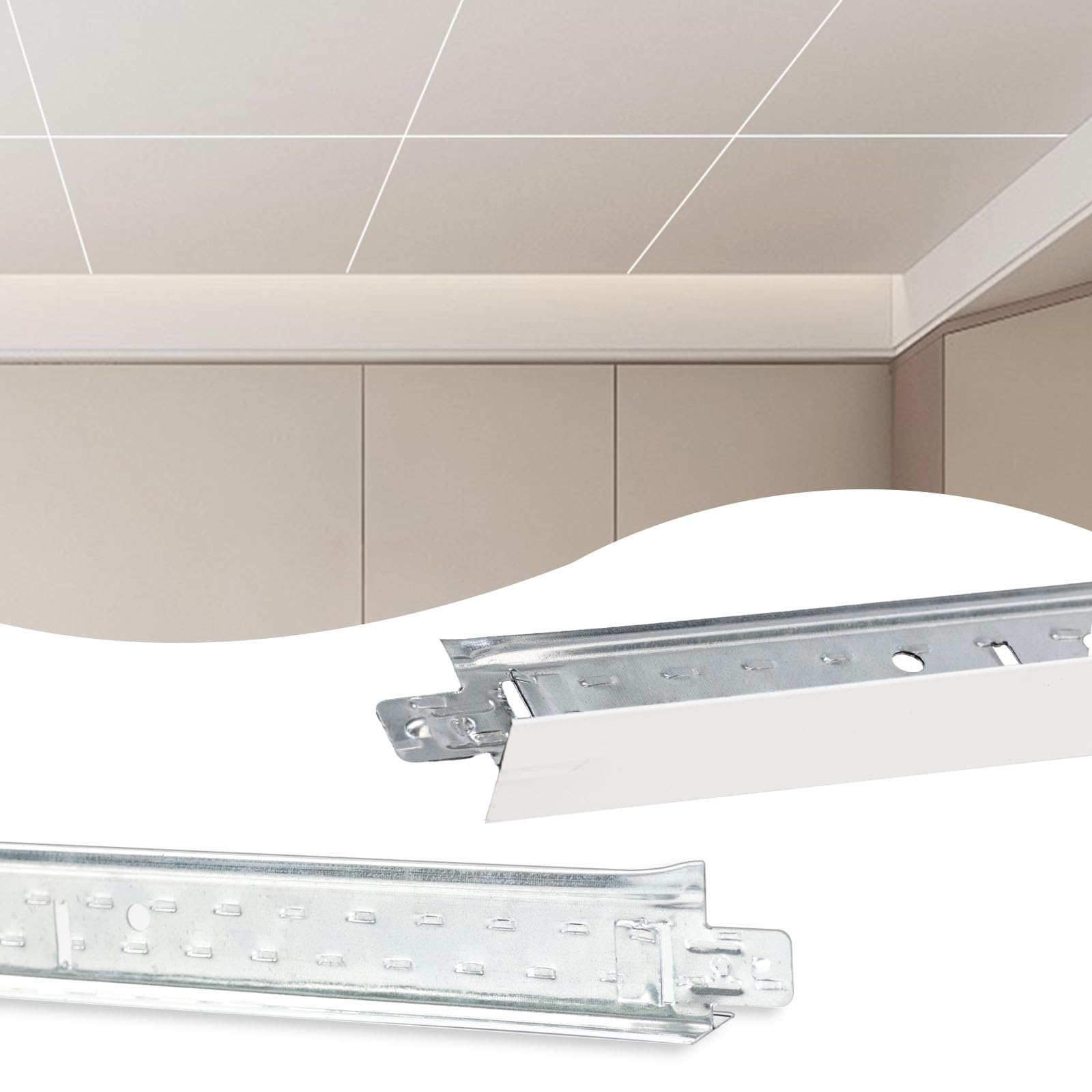
The ceiling grid system (often called T-grid or T-bar system) provides the framework that holds the tiles in place.
Main Components:
- Main tees (main runners)
- Cross tees
- Wall angles
Material Options:
- Galvanized steel
- Pre-painted steel
Advantages:
- High load-bearing capacity
- Easy installation and adjustment
- Corrosion resistance
- Compatible with various ceiling tile sizes (600x600mm, 600x1200mm)
4. Ceiling Accessories: Small Parts, Big Impact
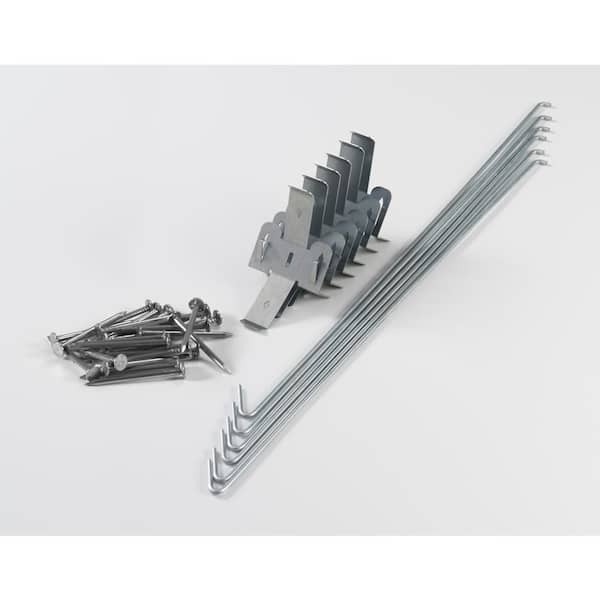
Accessories ensure the stability and safety of the entire ceiling system.
Common Accessories Include:
- Hanger wires / rods
- Anchors and fasteners
- Clips and connectors
- Suspension brackets
Why They Matter:
- Ensure secure installation
- Improve system longevity
- Enhance safety compliance
- Simplify installation process
5. Advantages of a Complete Ceiling System Solution
Choosing a full system instead of individual components offers several advantages:
- Perfect Compatibility
All parts are designed to work together seamlessly
- Faster Installation
Reduced on-site adjustments and labor costs
- Consistent Quality
Uniform performance across the entire ceiling
- Cost Efficiency
Bulk purchasing reduces overall procurement costs
- Simplified Supply Chain
One supplier, one solution
6. Applications Across Industries
Complete ceiling systems are widely used in:
- Office buildings
- Shopping malls
- Hospitals and healthcare facilities
- Educational institutions
- Airports and transportation hubs
- Industrial facilities
Each application can be customized with the right combination of tiles, grids, and accessories to meet specific requirements.
7. How to Choose the Right Ceiling System
When selecting a complete ceiling solution, consider:
- Acoustic requirements (NRC level)
- Fire resistance standards
- Humidity and environmental conditions
- Budget and project scale
- Aesthetic preferences
Working with a reliable supplier ensures you receive technical support and a system tailored to your project needs.
Conclusion
A complete ceiling system solution—combining tiles, grid systems, and accessories—offers a smart, efficient, and high-performance approach for modern construction projects. By choosing an integrated system, you ensure durability, safety, and a professional finish that meets both functional and aesthetic demands.