When choosing a ceiling suspension system for commercial or residential projects, selecting the right framing material is just as important as the ceiling tiles themselves. Two of the most commonly used options are light steel keel systems and aluminum ceiling grids.
Each material offers unique advantages in terms of strength, cost, corrosion resistance, and application scenarios. In this guide, we compare both options to help you determine which is best for your project.
1. Material Strength and Load Capacity
Structural strength is a critical factor, especially in large-scale projects.
- Light Steel Keel:
Made from galvanized steel, it offers high strength and load-bearing capacity, making it suitable for heavy ceiling systems and large spaces
- Aluminum Ceiling Grid:
Lightweight but less strong compared to steel, better suited for lighter ceiling panels
👉 Best for strength: Light Steel Keel
2. Corrosion Resistance
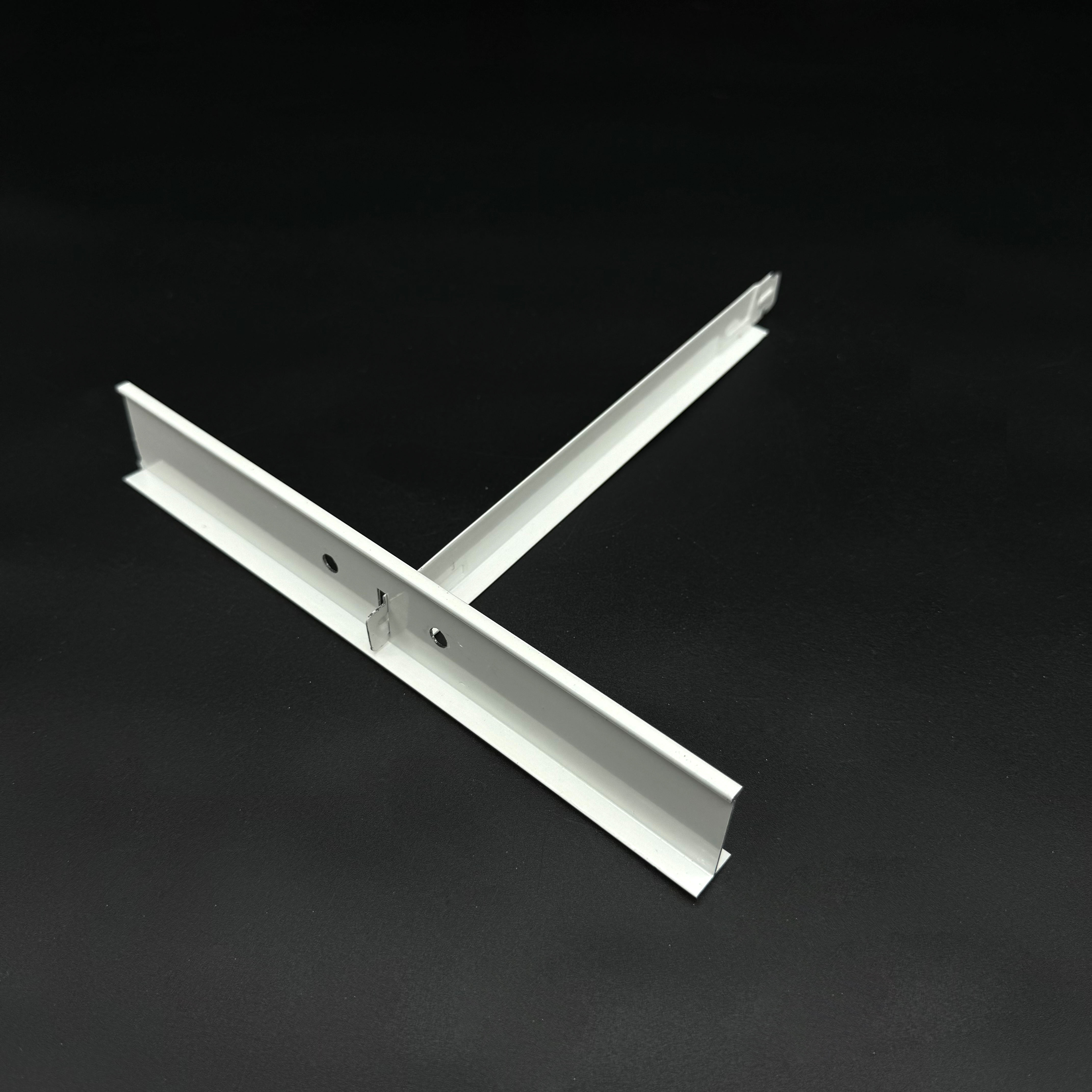 Ceiling systems are often exposed to humidity, especially in certain environments.
- Light Steel Keel:
Galvanized coating provides good corrosion resistance, but performance depends on coating quality
- Aluminum Ceiling Grid:
Naturally resistant to corrosion and rust, ideal for humid or coastal environments
👉 Best for corrosion resistance: Aluminum
3. Cost Comparison
Budget plays a significant role in material selection.
- Light Steel Keel:
More cost-effective, especially for large-scale projects
- Aluminum Ceiling Grid:
Generally more expensive due to material cost
👉 Best for budget projects: Light Steel Keel
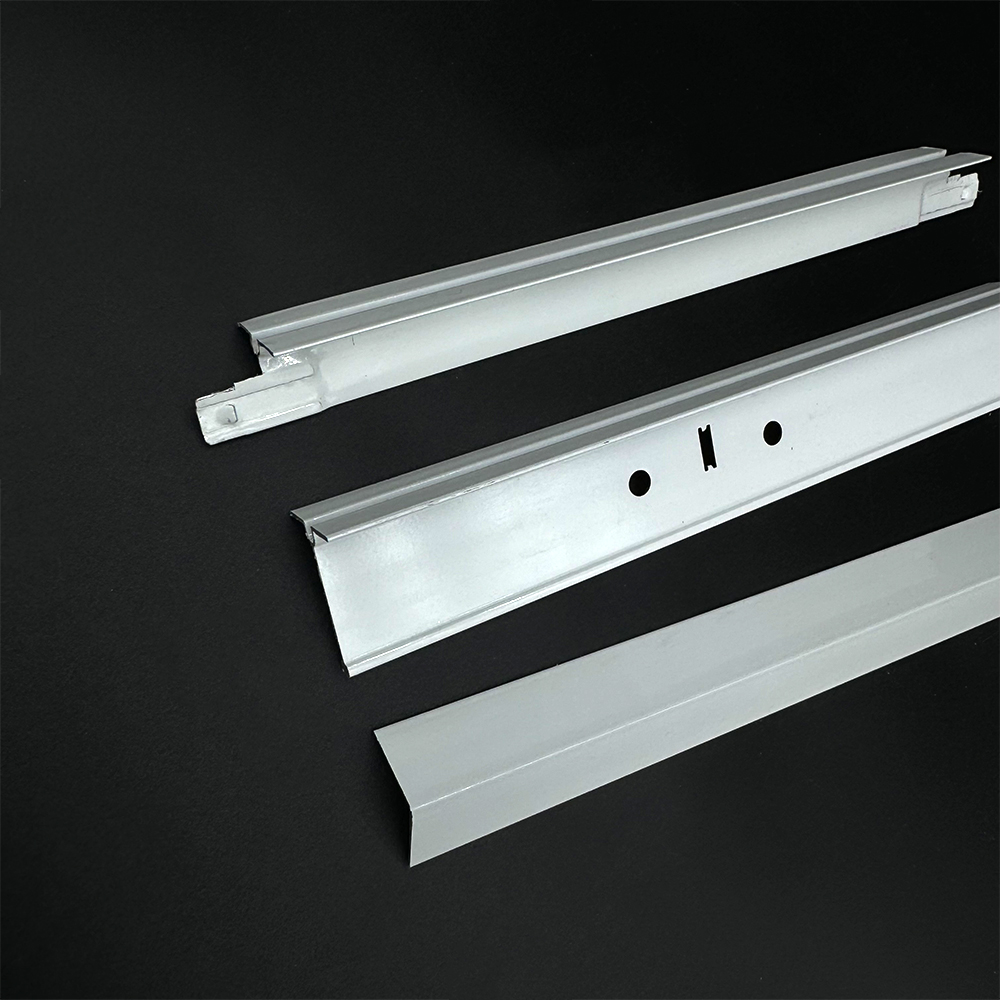 4. Installation and Workability
Ease of installation affects labor costs and project timelines.
- Light Steel Keel:
Strong and stable, but slightly heavier and requires more effort to handle
- Aluminum Ceiling Grid:
Lightweight and easy to cut and install, reducing installation time
👉 Easier installation: Aluminum
5. Durability and Lifespan
Long-term performance is essential for commercial applications.
- Light Steel Keel:
Highly durable with proper coating, suitable for long-term use
- Aluminum Ceiling Grid:
Excellent resistance to environmental factors, long lifespan with minimal maintenance
👉 Both perform well, depending on environment
6. Application Scenarios
Choosing the right material depends on where it will be used:
- Light Steel Keel Applications:
- Office buildings
- Shopping malls
- Industrial facilities
- Large commercial projects
- Aluminum Ceiling Grid Applications:
- Bathrooms and kitchens
- Coastal or high-humidity areas
- Decorative ceiling systems
- Lightweight ceiling applications
7. Overall Performance Comparison
| Feature |
Light Steel Keel |
Aluminum Ceiling Grid |
| Strength |
⭐⭐⭐⭐⭐ |
⭐⭐⭐ |
| Corrosion Resistance |
⭐⭐⭐⭐ |
⭐⭐⭐⭐⭐ |
| Cost |
⭐⭐⭐⭐⭐ |
⭐⭐⭐ |
| Installation |
⭐⭐⭐ |
⭐⭐⭐⭐⭐ |
| Durability |
⭐⭐⭐⭐⭐ |
⭐⭐⭐⭐⭐ |
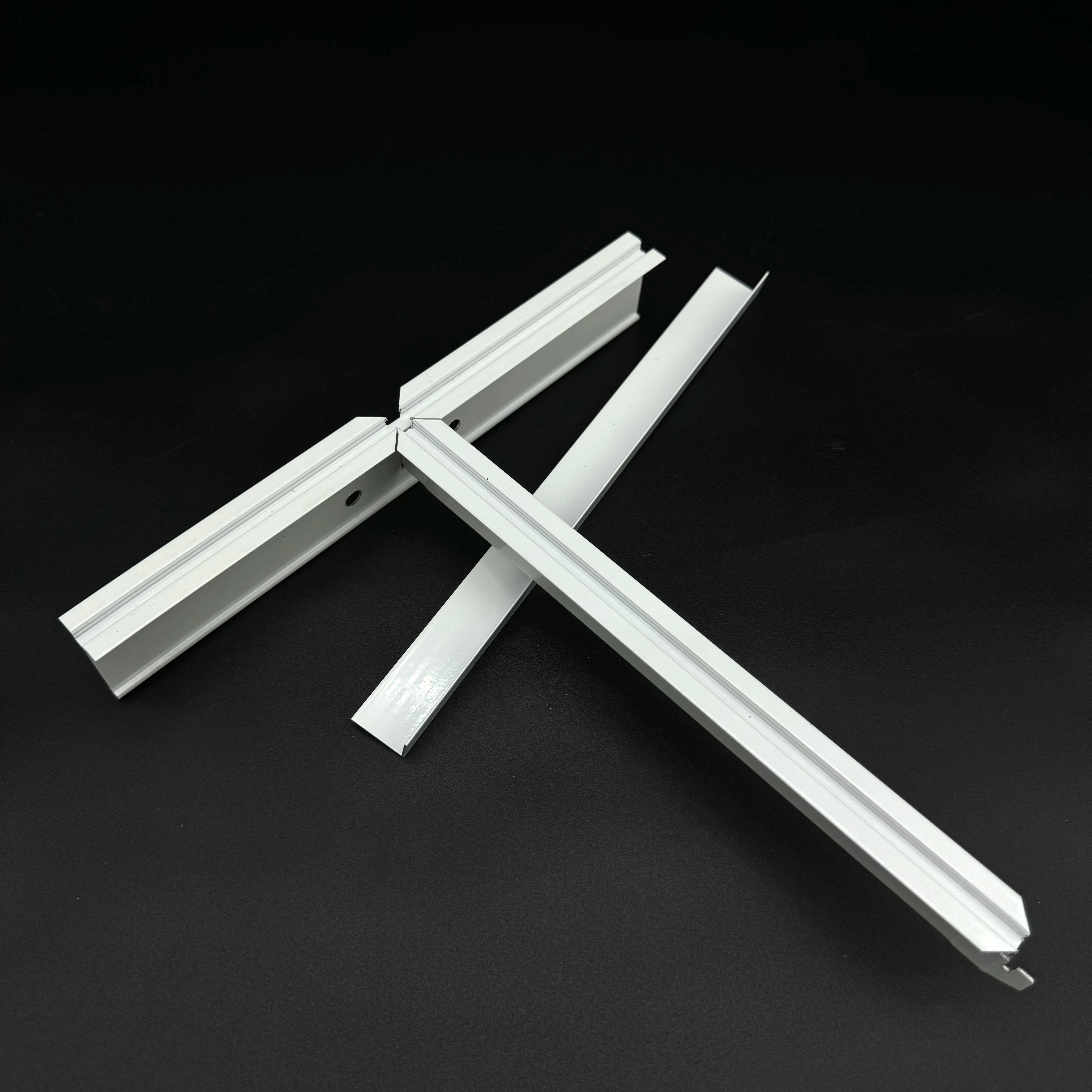 Conclusion
Both light steel keel systems and aluminum ceiling grids have their advantages, and the best choice depends on your project requirements.
- Choose light steel keel if you need high strength, durability, and cost efficiency for large commercial projects
- Choose aluminum ceiling grid if you prioritize corrosion resistance, lightweight structure, and ease of installation
For most large-scale construction projects, light steel keel systems remain the preferred choice due to their strength and cost-effectiveness.

 Ceiling systems are often exposed to humidity, especially in certain environments.
 4. Installation and Workability
 Conclusion


