
Aluminum keel systems have become a cornerstone in modern ceiling construction, offering lightweight, durable, and corrosion-resistant support for a variety of ceiling materials. Whether you are designing for commercial offices, shopping centers, airports, or exhibition halls, aluminum keel systems provide flexibility and structural reliability for different types of ceiling panels.
This guide explores how aluminum keel systems interact with different ceiling materials, helping contractors, distributors, and importers make informed decisions.
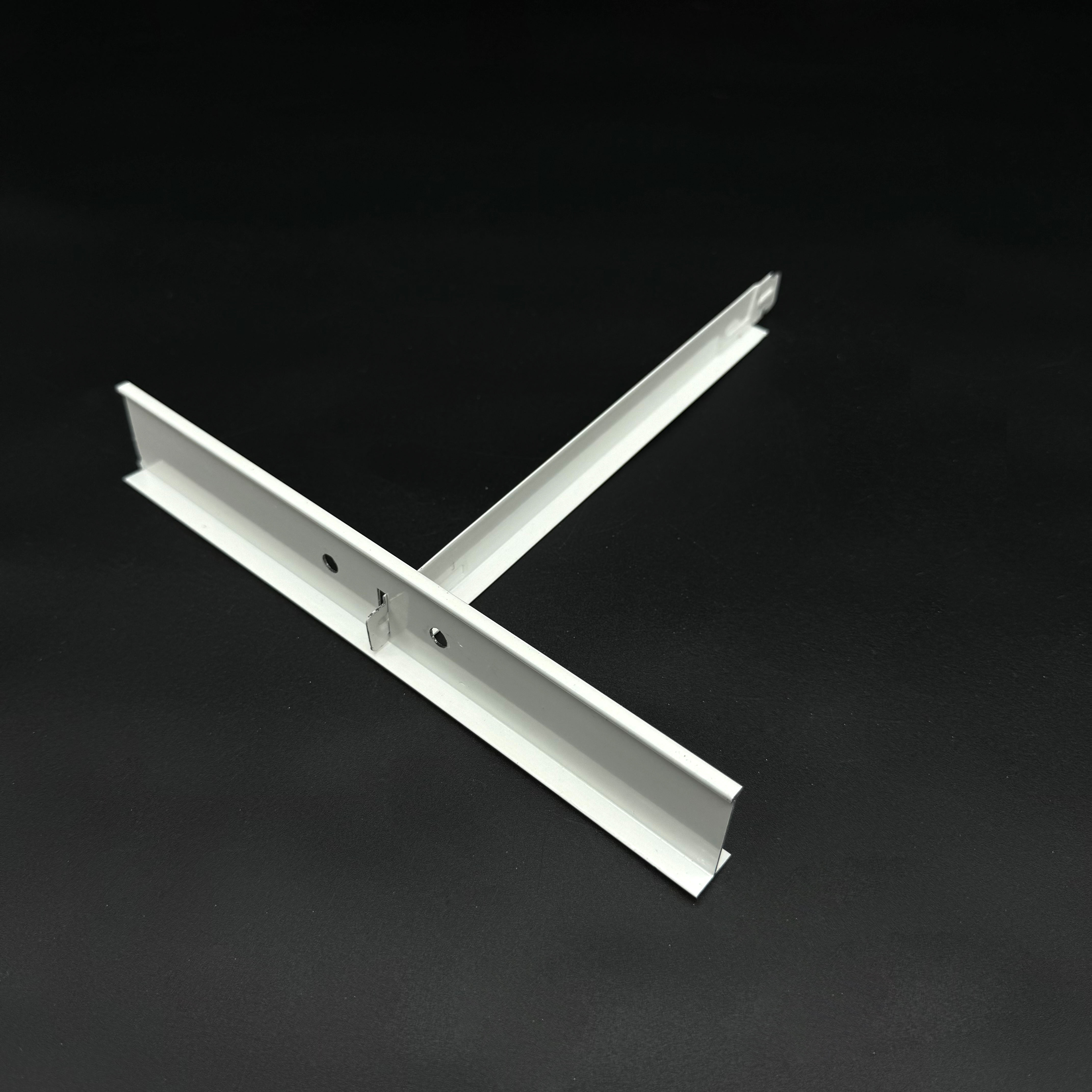 1. Aluminum Keel with Mineral Fiber Panels
Mineral fiber panels are widely used for their acoustic performance and fire resistance. Aluminum keel systems support these panels effectively by:
Providing precise suspension points for modular layouts
Reducing overall weight compared to steel structures
Allowing easy alignment and leveling for sound absorption efficiency
Tip: Ensure keel spacing complies with panel size and weight to avoid sagging.
 2. Aluminum Keel with PVC Gypsum Boards
PVC gypsum boards are lightweight and moisture-resistant, making them ideal for bathrooms, kitchens, and commercial interiors. Aluminum keels:
Offer corrosion resistance in humid environments
Support quick and precise installation due to light weight
Enable seamless joints and flat surfaces for aesthetic appeal
Tip: Use compatible fasteners and cross tees for maximum stability.
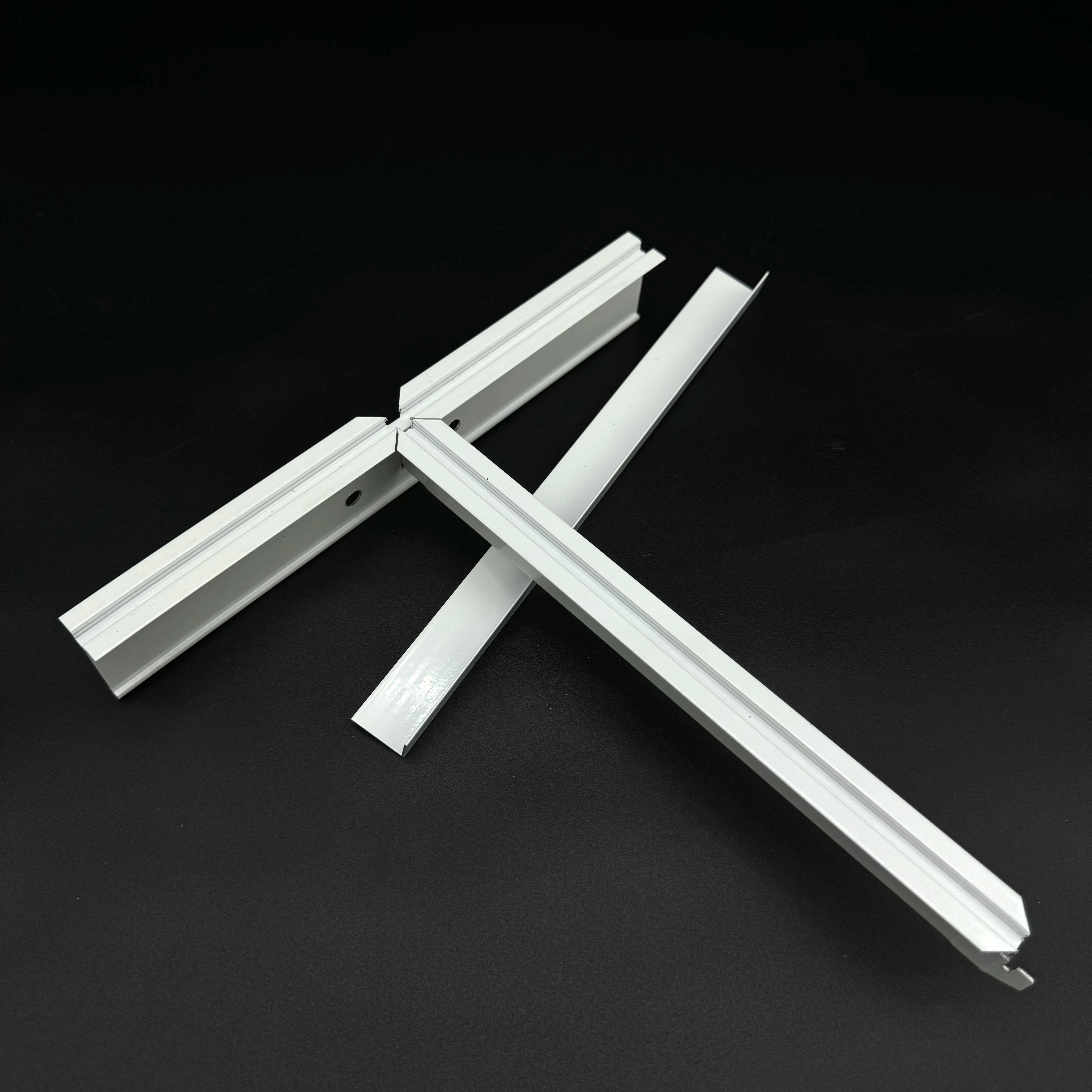 3. Aluminum Keel with Fiber Cement Boards
Fiber cement boards are heavier and more durable, commonly used in industrial or high-traffic areas. Aluminum keel systems:
Provide modular support that accommodates heavier panels
Resist corrosion even in damp or challenging conditions
Allow for integration with lighting, HVAC, and other ceiling systems
Tip: Reinforce key load points for larger panels or areas with additional fixtures.
Regardless of the ceiling panel type, aluminum keel systems provide:
Lightweight construction reducing labor and installation time
Flexibility in layout and panel replacement
Long-term durability in diverse environments
Compatibility with multiple panel types without compromising performance
 5. Installation Considerations
For all ceiling materials, successful installation requires:
Accurate suspension spacing and leveling
Using compatible fasteners, connectors, and cross tees
Following manufacturer guidelines for maximum load and panel compatibility
Planning for integration with lighting, ventilation, and other ceiling elements
Aluminum keel systems are a versatile solution for supporting a wide range of ceiling materials, from lightweight PVC gypsum to heavy fiber cement panels. Their lightweight, corrosion resistance, and modular flexibility make them ideal for modern commercial and industrial ceiling projects. For importers, distributors, and contractors, understanding the compatibility of aluminum keels with different materials ensures reliable installation and long-term performance.


