Pano announces a 180% surge in asbestos-free calcium silicate board orders, driven by global asbestos bans. The company is doubling production capacity via new Chinese production lines and Vietnam shift optimizations, supported by cross-departmental task forces and employee incentive programs.
Market-Driven Expansion
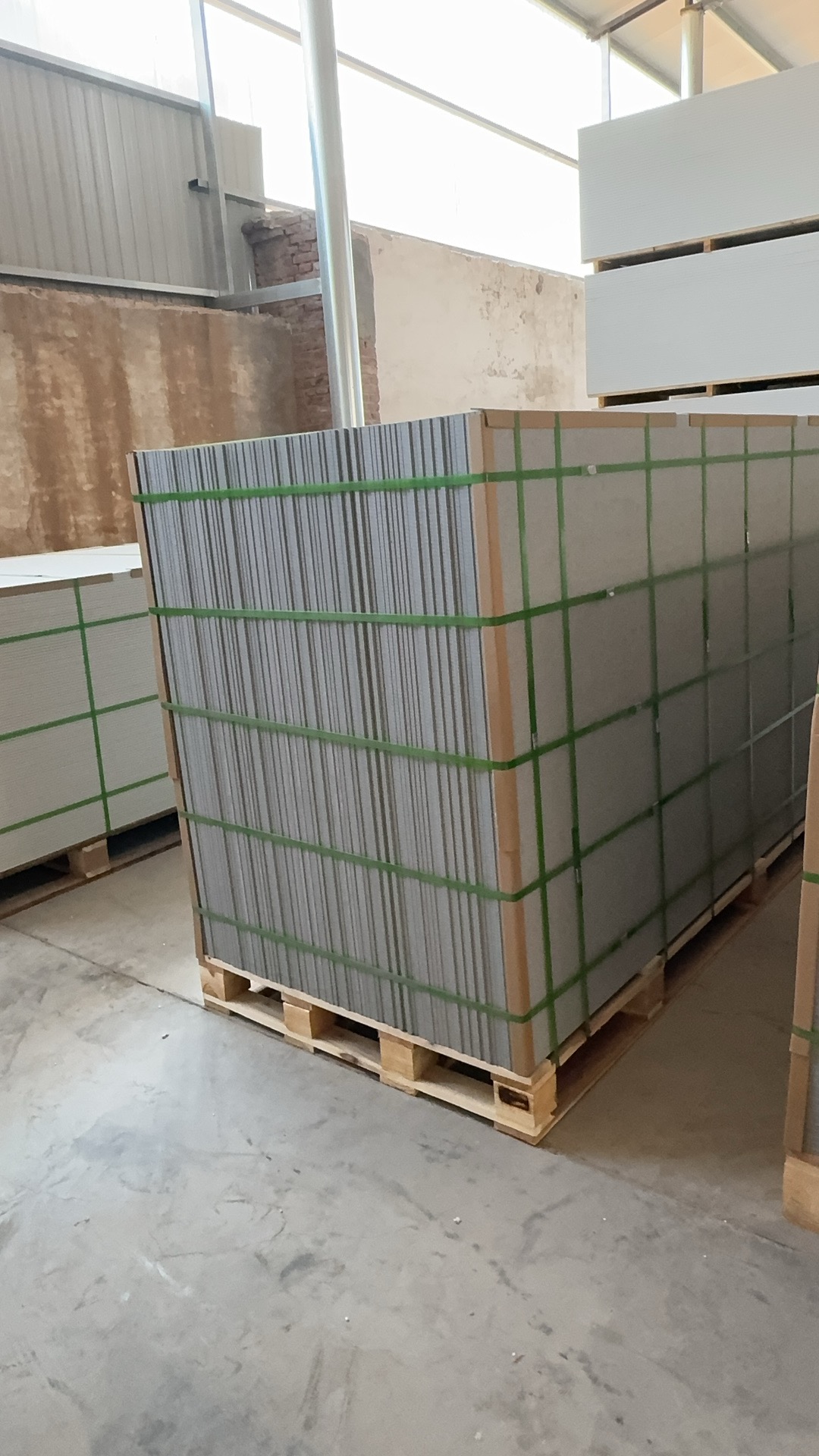
The global phase-out of asbestos-containing materials has positioned asbestos-free calcium silicate boards as an essential solution for industrial and rail transit applications. Reflecting this market shift, Pano recorded a remarkable 180% year-on-year growth in orders for these specialized boards during the first half of the year. Notably, over 60% of this demand originated from insulation boards for petrochemical plants and fireproof partition boards for subway systems. To address this unprecedented surge, Pano has urgently launched a Capacity Expansion Initiative, adding three new production lines at its China facility while implementing a three-shift schedule at its Vietnam base to ensure on-time delivery. Cross-functional task forces spanning production and sales departments have been mobilized to drive this operational scaling.
 Sales Breakthroughs in Key Markets
- Industrial Sector: Sales Manager Zhang’s team secured a landmark 5,000㎡ order for a petrochemical project in the Middle East—Pano’s largest single industrial contract to date.
- Rail Transit Sector: Overseas Sales Manager Li deepened market penetration in Southeast Asia, finalizing a deal for Thailand’s Metro Line 2 in Q2, with follow-up collaborations already in advanced discussions. Both managers were publicly recognized for exceptional market development efforts.
Operational Excellence and Workforce Commitment
- Production Optimization: Production Director Liu spearheaded workflow recalibrations, reducing lead times from 7 days to 4 days.
- Equipment Reliability: Technician Wang conducted 72-hour continuous equipment diagnostics, preempting potential downtime and safeguarding production continuity.
- Logistical Support: Administration deployed night-shift support packages (including meals and transport subsidies), while HR onboarded 15 new technicians via a mentorship program with veteran staff to rapidly upskill recruits.
Employees engaged in the expansion initiative benefit from double commission rates and paid flexi-leaves, resulting in an average Q2 bonus of ¥3,000 per task force member. Annual awards for "Market Expansion Pioneers" and "Production Guarantee Experts" will include international project study tours, reinforcing a culture of recognition.

 Sales Breakthroughs in Key Markets
 Performance-Linked Incentives

