
Choosing the right ceiling material is an important part of commercial building design. Ceilings not only affect the appearance of a space but also influence acoustics, fire safety, energy efficiency, and long-term maintenance costs.
From office buildings and hospitals to shopping malls and schools, different commercial environments require different ceiling solutions. In this guide, we explore the most common types of ceiling materials used in commercial buildings and help buyers understand their advantages and applications.
Commercial ceilings serve multiple purposes beyond decoration. A well-designed ceiling system can improve:
Selecting the correct material helps ensure long-term durability and project efficiency.
 1. Mineral Wool Ceiling Tiles
Mineral wool ceiling tiles are among the most widely used materials in commercial projects due to their affordability and acoustic performance.
Mineral wool ceilings are ideal for projects that require balanced performance and budget control.
 2. Fiberglass Ceiling Panels
Fiberglass ceiling panels are known for their excellent acoustic insulation and modern appearance.
These panels are commonly selected for environments requiring strong acoustic control.
 3. Rock Wool Ceiling Panels
Rock wool ceiling materials provide excellent thermal and acoustic insulation.
Rock wool panels are particularly suitable for buildings with strict fire safety requirements.
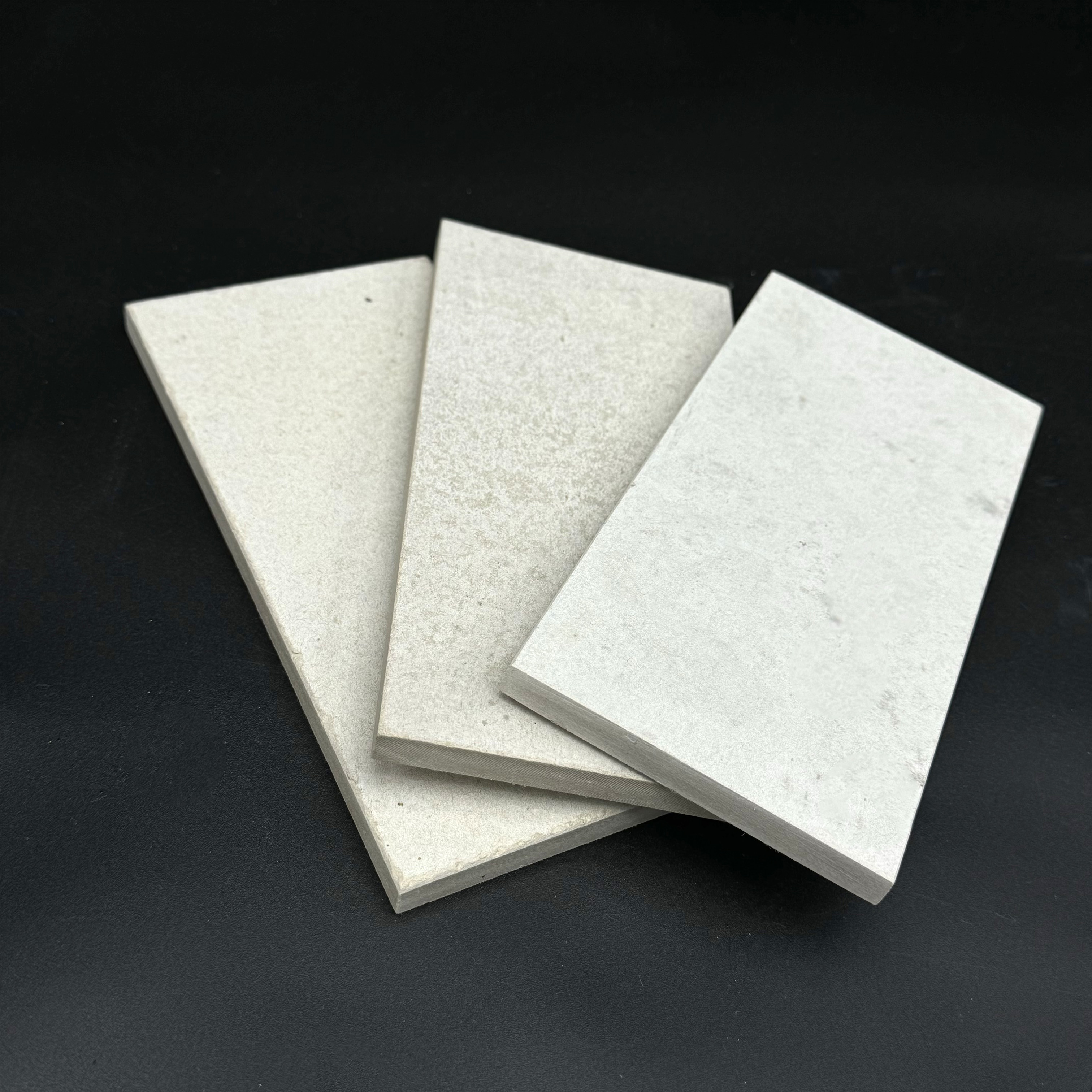 4. Calcium Silicate Ceiling Boards
Calcium silicate boards are durable and highly resistant to moisture and fire.
These boards are commonly used in areas exposed to humidity.
Metal ceilings, especially aluminum and galvanized steel systems, are increasingly popular in modern commercial architecture.
Metal ceiling systems are often chosen for premium commercial projects.
 6. PVC Ceiling Panels
PVC ceiling panels are lightweight and water-resistant, making them suitable for low-maintenance environments.
Offices, schools, and hospitals usually require materials with strong sound absorption.
Commercial buildings must comply with local fire regulations.
Humid areas need water-resistant materials like calcium silicate or PVC.
Suspended ceiling systems allow easier access to electrical and HVAC systems.
Cheaper materials may increase maintenance costs over time. Buyers should evaluate long-term value.
 Why Many Buyers Source Ceiling Materials from China
China has become a leading supplier of commercial ceiling materials because of:
Reliable suppliers like Panoceilings offer complete ceiling solutions, including ceiling panels, suspension systems, and accessories for international projects.
Different commercial buildings require different ceiling materials based on performance, aesthetics, and budget.
Understanding the strengths of each material helps buyers select the best solution for their projects. Whether you need acoustic control, fire resistance, moisture protection, or modern design, choosing the right ceiling system is essential for long-term success.


