
Rock wool ceiling tiles are widely used in commercial and public buildings due to their excellent fire resistance, acoustic performance, and thermal insulation. However, for distributors, importers, and project buyers, quality consistency is often a major concern—especially when sourcing from overseas suppliers.
Understanding the most common quality problems in rock wool ceiling tiles and knowing how to avoid them can help buyers reduce project risks, avoid costly rework, and build a more reliable supply chain.
One of the most common quality issues in rock wool ceiling tiles is inconsistent density or thickness across different batches—or even within the same batch.
Why it matters:
Inconsistent density affects acoustic performance, fire resistance, and load-bearing stability. Uneven thickness can also cause installation problems and an unprofessional finished appearance.
 How to avoid it:
Work with suppliers that use automated production lines and strict in-line inspection
Request technical datasheets specifying density tolerance
Ask for batch samples, not just one reference sample
Surface cracks, chipped edges, or weak corners often occur due to poor curing processes or improper handling during packaging and transportation.
Why it matters:
Damaged edges increase installation waste and can lead to rejection on-site, especially in visible commercial spaces such as offices, schools, and hospitals.
How to avoid it:
Confirm curing time and production standards with the manufacturer
Check packaging methods (corner protection, pallet stability)
Inspect loading and container-stuffing practices
 3. Sagging or Deformation Over Time
Low-quality rock wool ceiling tiles may sag or deform after installation, particularly in environments with high humidity or temperature fluctuations.
Why it matters:
Sagging ceilings are one of the most common complaints in commercial projects and can seriously damage a distributor’s reputation.
How to avoid it:
Verify moisture resistance performance and test reports
Ask whether tiles are reinforced or specially treated for humid conditions
Match the ceiling tile specification with the correct suspension system
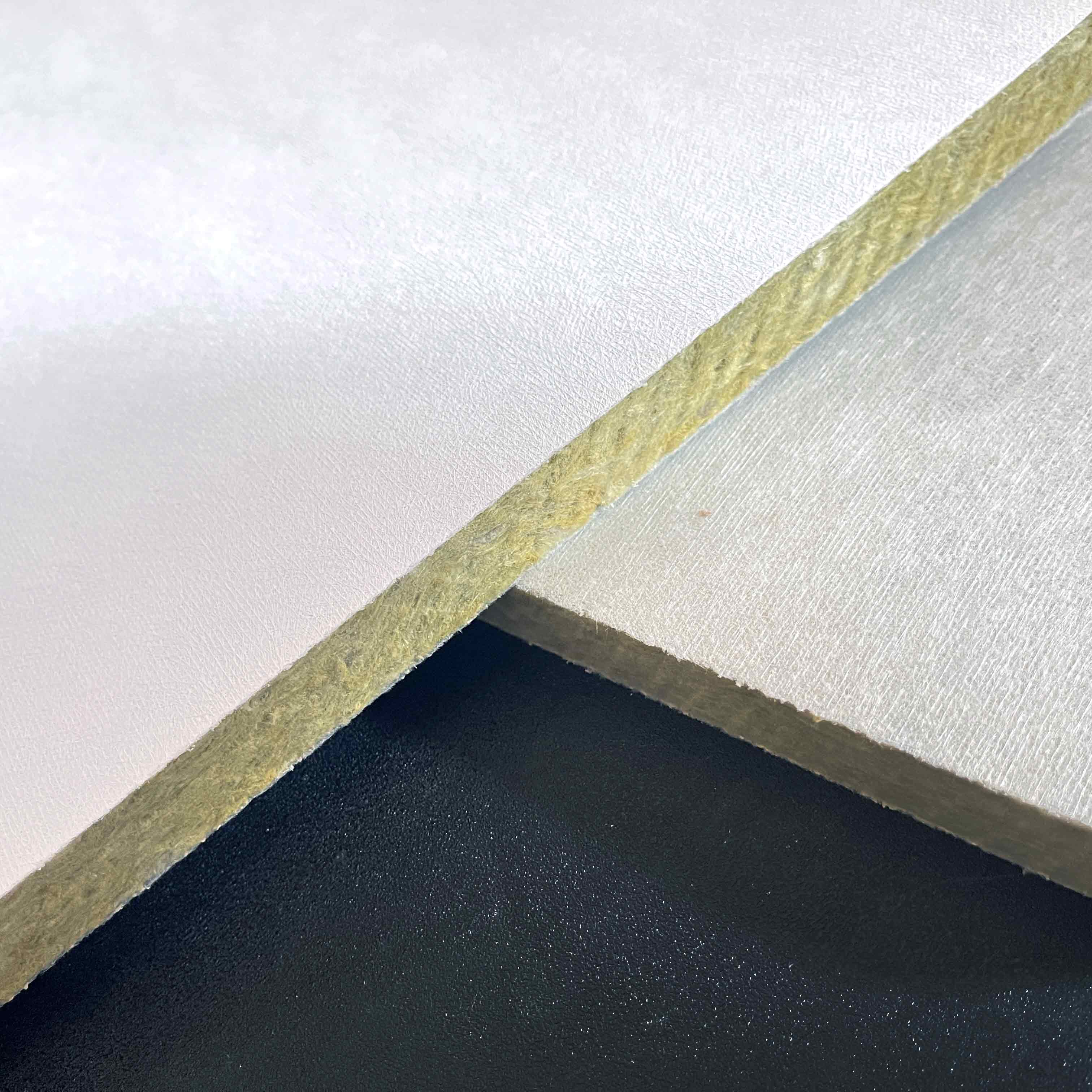
Some rock wool ceiling tiles fail to achieve the claimed Noise Reduction Coefficient (NRC), especially when density, fiber structure, or surface finishing is inconsistent.
 Why it matters:
Acoustic performance is a key requirement in schools, offices, and public buildings. Underperforming products can lead to project disputes or replacement costs.
How to avoid it:
Request third-party acoustic test reports
Confirm whether test results apply to the same tile size and thickness
Avoid products with vague or unsupported performance claims
Missing, outdated, or inconsistent certifications are a hidden risk, particularly for public projects and government tenders.
Why it matters:
Fire resistance, acoustic performance, and environmental compliance are often mandatory for project approval.
How to avoid it:
Request valid and up-to-date fire and acoustic test reports
Confirm certification standards required in your target market (EN, ASTM, local codes)
Work with suppliers experienced in export and project documentation
Inconsistent surface color or texture between batches can become a serious issue in phased projects.
Why it matters:
Public buildings and large commercial projects often require consistent appearance across different delivery stages.
How to avoid it:
Ask about raw material control and color consistency standards
Confirm batch-matching policies for repeat orders
Maintain clear product codes and specifications for long-term supply
Most quality problems in rock wool ceiling tiles are not caused by the product category itself, but by insufficient quality control, unclear specifications, or unreliable suppliers.
 For distributors and importers, avoiding these issues starts with choosing partners who offer:
Stable production and consistent quality
Transparent technical documentation
Experience with international projects and standards
A reliable rock wool ceiling tile supplier is not just a product provider—but a long-term partner in your distribution and project business.


