
China has become one of the world's largest manufacturers and exporters of mineral fiber ceiling tiles, supplying wholesalers, contractors, distributors, and construction companies across Europe, the Middle East, Southeast Asia, South America, and Africa.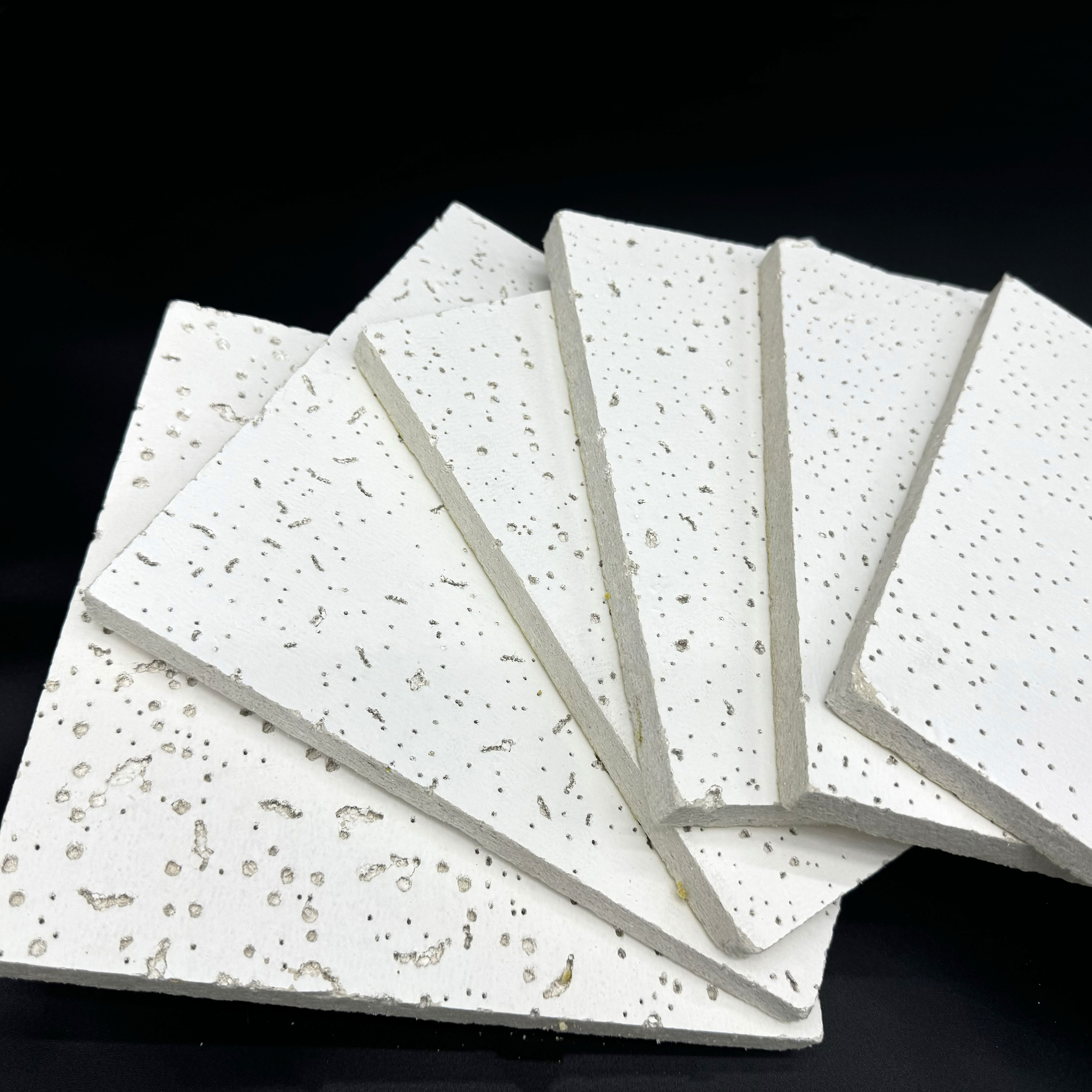
One of the most common questions buyers ask is:
"How much do mineral fiber ceiling tiles cost from China?"
The answer is not as straightforward as many expect. Unlike standardized commodities, mineral fiber ceiling tiles are available in various specifications, performance levels, and finishes. Two products that appear similar may differ significantly in price due to their technical characteristics.
This guide explains the key factors that influence pricing and helps international buyers compare quotations more effectively.
Mineral fiber ceiling tiles are manufactured for different applications, including offices, hospitals, schools, shopping malls, airports, and industrial buildings. Each project has different performance requirements, resulting in different production costs.
The following factors have the greatest impact on pricing.
| Factor | Influence on Price |
|---|---|
| Tile Thickness | Medium |
| Density | High |
| Surface Finish | High |
| Edge Profile | Medium |
| Moisture Resistance | High |
| Fire Performance | Medium |
| Acoustic Performance (NRC/CAC) | High |
| Packaging | Medium |
| Order Quantity | High |
| OEM Branding | Medium |
Even two 600 × 600 mm ceiling tiles may have very different prices if one offers higher humidity resistance or better acoustic performance.
Instead of asking for a single market price, it is more useful to understand how different product categories compare.
| Product Type | Typical Market Position |
|---|---|
| Standard Mineral Fiber Ceiling Tile | Entry Level |
| Fine Fissured Ceiling Tile | Mid Range |
| Sand Texture Ceiling Tile | Mid Range |
| White Fleece Laminated Ceiling Tile | Mid to High Range |
| High Humidity Resistant Ceiling Tile | High End |
| High Acoustic Ceiling Tile | Premium |
Premium products generally require higher-quality raw materials, stricter production control, and additional surface treatments, which increase manufacturing costs.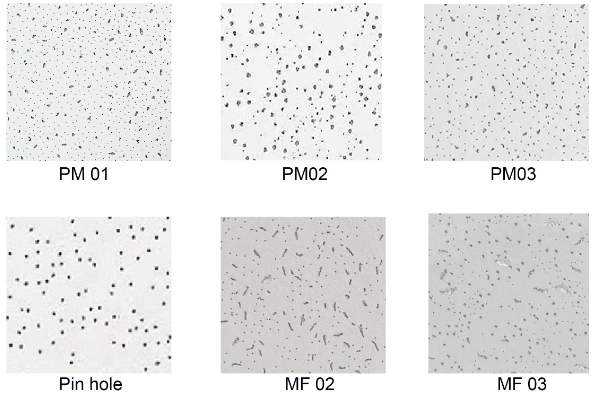
When comparing quotations from different Chinese suppliers, buyers sometimes notice price differences of 20% or even more.
Lower prices may result from:
A lower quotation does not necessarily indicate poor quality, but buyers should always compare technical specifications rather than price alone.
The product price is only one part of the total purchasing cost.
International buyers should also consider:
A slightly higher product price may actually reduce the total project cost if it improves container loading efficiency or minimizes breakage.
To receive accurate and comparable quotations, buyers should provide detailed project information.
A complete inquiry should include:
Providing complete specifications helps suppliers prepare more accurate quotations and reduces misunderstandings during production.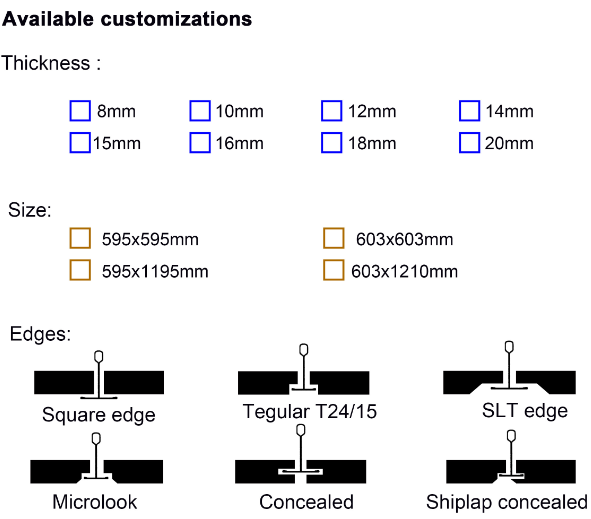
Professional buyers usually focus on reducing the total procurement cost rather than simply obtaining the lowest unit price.
Some practical strategies include:
Full container shipments generally offer lower transportation costs per square meter.
Standard dimensions are usually more economical than custom sizes.
Neutral export packaging is often less expensive than customized branded cartons.
Shipping ceiling tiles together with suspension systems and accessories can reduce overall freight costs.
Stable annual purchasing volumes often lead to better pricing, improved production scheduling, and consistent product quality.
Mineral fiber ceiling tiles are installed in commercial buildings where appearance, durability, and acoustic performance are critical.
Choosing products solely based on price may increase maintenance costs or create installation problems later.
Professional buyers typically evaluate suppliers based on:
The most competitive quotation is not always the lowest one—it is the quotation that provides the best overall value.
Yes. Many Chinese manufacturers produce ceiling tiles that comply with international quality standards and supply projects worldwide. Product quality depends on the manufacturer's production capability and quality control system.
The most important details include tile size, thickness, edge profile, quantity, destination port, and any required fire, acoustic, or humidity performance.
Different raw materials, board density, surface finishes, manufacturing processes, and quality standards all affect the final price.
For large projects or wholesale purchases, buying directly from a manufacturer often provides better pricing, more customization options, and improved technical support.
Yes. Many manufacturers offer OEM and private-label production, including customized packaging, logos, and product specifications for distributors and building material brands.
Finding the right mineral fiber ceiling tile supplier is not simply about obtaining the lowest quotation. A successful purchasing decision requires balancing price, quality, technical performance, and long-term reliability.
By understanding the factors that influence pricing and providing complete project specifications, buyers can compare suppliers more accurately and select products that deliver the best overall value for their projects.
Whether your project requires standard office ceilings, moisture-resistant panels, or high-acoustic-performance ceiling systems, working with an experienced manufacturer can help ensure both product quality and cost efficiency.
If you are planning to source mineral fiber ceiling tiles from China, our team is ready to assist you with product recommendations, technical specifications, and project-based quotations.
Simply send us your project requirements—including tile size, thickness, edge profile, quantity, and destination—and we will recommend the most suitable ceiling solution for your application.


