
When it comes to ceiling systems, the keel structure is a critical component that ensures stability, durability, and overall functionality. Two popular options for keel systems are light steel keels and powder-coated keels. Both offer distinct advantages, but choosing the right keel system depends on the specific needs of your project, including durability, load-bearing capacity, installation convenience, and aesthetic requirements.
This article will compare these two types of keels and provide recommendations based on real-world project scenarios, helping you make the best choice for your building.
 1. Durability and Strength: Light Steel Keels vs Powder Coated Keels
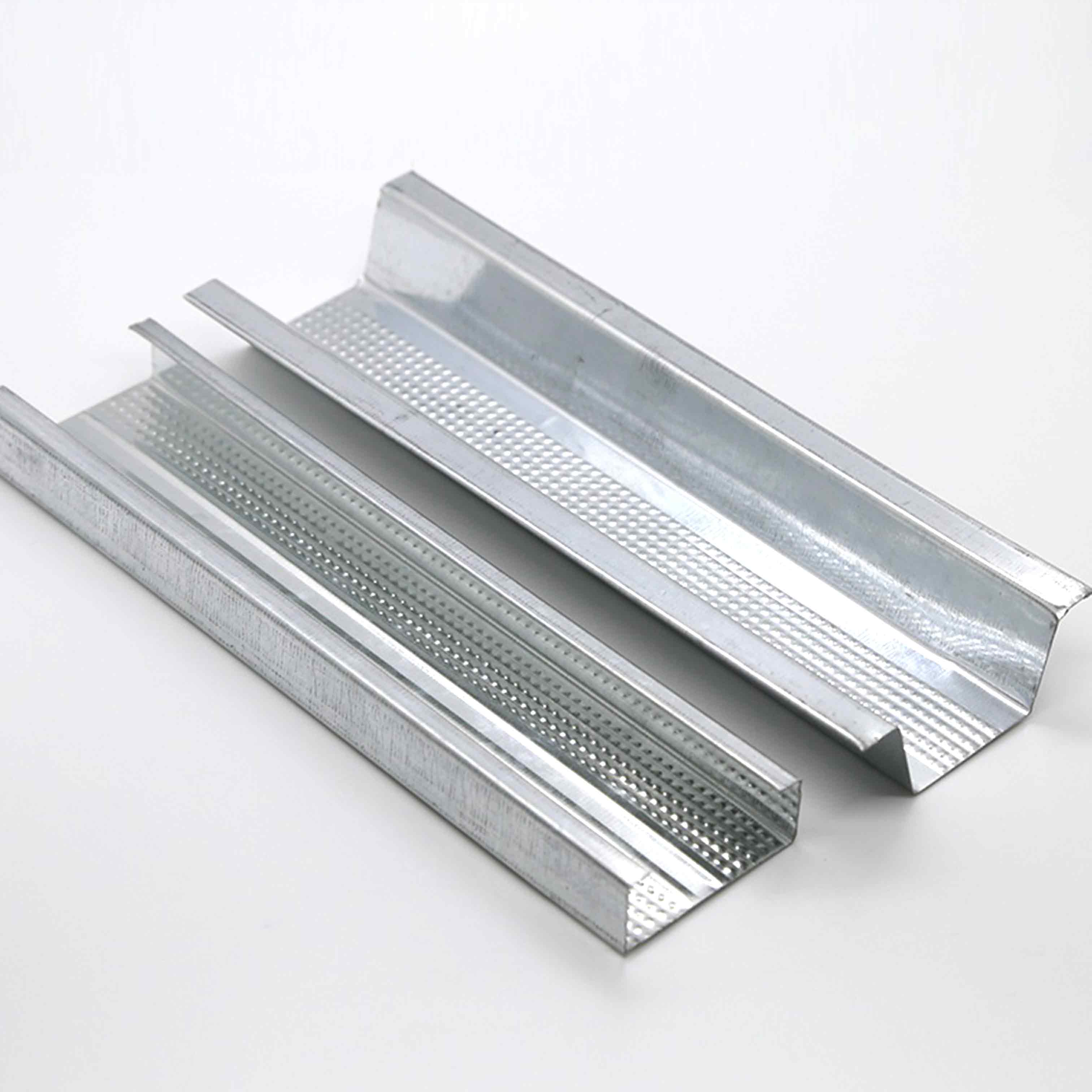
High Strength-to-Weight Ratio: Light steel keels are made from galvanized steel, providing excellent strength and stability. They are resistant to warping and bending under load, making them a reliable choice for heavy-duty applications.
Corrosion Resistance: Although light steel keels are galvanized to resist corrosion, exposure to harsh environments like high humidity or chemical exposure can affect their durability over time.
Enhanced Corrosion Protection: Powder-coated keels are treated with a thick layer of powder coating that offers superior corrosion resistance, even in moist and harsh conditions. The coating protects the steel from rust, scratches, and external damage.
Durability: Powder-coated keels tend to have a longer lifespan when used in environments prone to moisture, like kitchens, bathrooms, or industrial spaces.
Project Case Example: For a commercial office complex with a large open floor plan, light steel keels provide excellent support and are ideal for long spans. On the other hand, for a residential project in a coastal city with high humidity, powder-coated keels ensure better protection from corrosion and long-lasting performance.
 2. Load-Bearing Capacity: Which Keel Holds More?
Superior Load-Bearing Capacity: Light steel keels have a higher load-bearing capacity due to their stronger metal composition. They are ideal for large commercial spaces, warehouses, and high-rise buildings where additional weight support is required for heavier ceilings or equipment.
Versatility: These keels can accommodate a wide range of ceiling materials, including mineral fiber tiles, gypsum boards, and acoustic panels, without compromising structural integrity.
Sufficient for Standard Load Requirements: While powder-coated keels are strong, they are often used in residential or medium-duty commercial projects where the load requirements are moderate. They provide reliable performance but may not support as much weight as light steel keels.
Aesthetic Application: Powder-coated keels are often selected for aesthetic reasons, especially in spaces where the visible framework is part of the design, such as in modern office spaces or interior design projects.
Project Case Example: For a high-rise apartment building, light steel keels are essential for supporting heavy ceiling tiles and integrated lighting systems. On the other hand, powder-coated keels were used in a fashion boutique project, where the load-bearing capacity was sufficient for lighter ceiling panels, but the aesthetic appeal was a top priority.
Quick and Easy Installation: Light steel keels are pre-fabricated and easy to assemble, reducing installation time significantly. They are designed to be lightweight, making them easy to handle and position during ceiling installation.
Flexibility in Adjustments: These keels allow for easy modifications and adjustments during the installation process, providing flexibility for contractors.
Moderate Installation Time: While powder-coated keels are also pre-fabricated, the installation process can be slightly more time-consuming than light steel keels, especially in complex ceiling configurations.
Pre-finished Look: Since powder-coated keels come with a finished surface, contractors don’t need to worry about painting them post-installation, saving time and reducing labor costs.
Project Case Example: In a new office building, the contractor opted for light steel keels due to the need for rapid installation across a large floor area. Meanwhile, in a luxury hotel, powder-coated keels were selected for their superior appearance and ease of installation in areas requiring minimal adjustments.
 Light Steel Keels:
Lower Upfront Cost: Light steel keels are typically less expensive than powder-coated keels, making them an ideal choice for projects with tighter budgets, especially in large commercial buildings or warehouses where durability is crucial.
Long-Term Savings: Although they may need more maintenance in certain environments, light steel keels offer significant long-term savings due to their cost-effectiveness and strength.
Higher Initial Investment: Powder-coated keels are usually more expensive due to the additional coating process, which enhances their resistance to corrosion and extends their lifespan.
Value for Aesthetic and Durability: For projects where aesthetics and moisture resistance are key considerations, the higher upfront cost may be justified.
Project Case Example: In a warehouse project, light steel keels were selected due to the budget-conscious nature of the build. In contrast, for a luxury residential complex, powder-coated keels were chosen for their aesthetic value and long-lasting protection, despite the higher cost.
Both light steel keels and powder-coated keels offer excellent performance, but the best choice depends on the unique needs of your project:
Light Steel Keels: Best for large commercial projects, high-load-bearing applications, and cost-effective solutions.
Powder Coated Keels: Ideal for projects where aesthetic appeal, moisture resistance, and long-term durability are the priority, despite a slightly higher initial cost.
By considering your project type, budget, and environmental conditions, you can make an informed choice that will ensure the success and longevity of your ceiling system.


