Generic mineral fiber tiles, Ceiling T grids, and calcium silicate boards work in places like Europe or North America—but they’re disasters waiting to happen in Southeast Asia. Here’s why:
Standard mineral fiber tiles have a moisture absorption rate of 12-15% [2]—a death sentence in Southeast Asia’s humidity. When tiles absorb moisture, they become heavy, warp, and sag by 5-10mm within 6 months. Worse, moisture creates mold growth (common in Indonesian offices and Malaysian malls), which triggers health complaints and forces full ceiling replacements.
A Singaporean importer recently shared a nightmare: they supplied 3,000 sq. meters of generic mineral fiber tiles for a Jakarta retail mall. Within 8 months, 40% of the tiles sagged, and 25% had mold spots. The client demanded a full refund ($45,000) plus $10,000 for installation labor—wiping out the importer’s entire profit from the project [1].
Why Generic Tiles Fail: They use low-density mineral wool and lack a moisture-resistant coating. In humid climates, this coating is non-negotiable—but 68% of cheap suppliers skip it to cut costs [1].
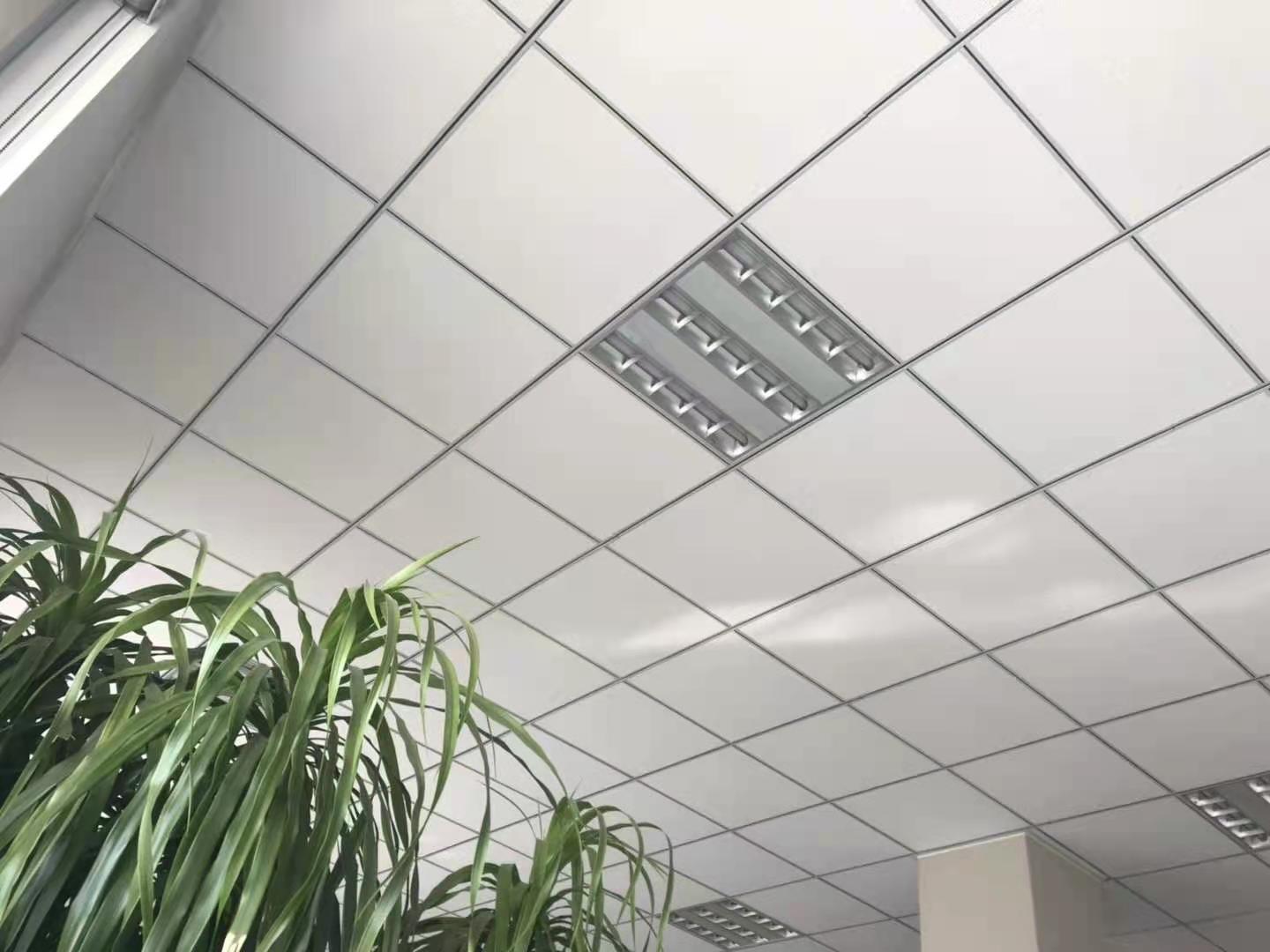
Generic Ceiling T grids are made from thin galvanized steel (12μm zinc coating) that rusts within 18 months in Southeast Asia’s humidity. Rust weakens the grids, so they can’t support the weight of moisture-saturated tiles. This leads to partial collapses: SABMA reported 21 cases of ceiling grid failure in Malaysian schools in 2023 alone [1].
Replacing rusted grids is a logistical nightmare. It requires shutting down the space (e.g., a busy office or retail store), removing all tiles, and reinstalling new grids—costing $2,000 per 100 sq. meters [1].
Why Generic Grids Fail: They don’t use anti-corrosion treatments tailored to salt-rich coastal humidity (common in Thailand, Vietnam, and the Philippines). Even "galvanized" grids can’t withstand salt air without extra protection.
Southeast Asia’s daily temperature swings cause calcium silicate boards to expand and contract. Generic boards have low flexural strength (≤5MPa [2]), so they crack along edges or joints within 9-12 months. This is a major issue for high-traffic spaces like Manila airports or Bangkok hotels, where cracked ceilings damage brand reputation.
A Vietnamese importer told us they supplied generic calcium silicate boards for a Ho Chi Minh City hotel. Within a year, 30% of the boards had hairline cracks. The hotel demanded $20,000 in repairs—and stopped working with the importer entirely [1].
Why Generic Boards Fail: They use low-grade silica and skip the "heat-stabilization" process needed to resist expansion. Suppliers often hide this by claiming boards have "high flexural strength"—but they never provide test data for Southeast Asia’s temperature ranges.
The key to success in Southeast Asia isn’t just "better" ceiling materials—it’s specialized materials engineered for the region’s unique challenges. Here’s how Pano Ceilings solves the 3 risks above:
Our PanoSEAL™ Mineral Fiber Tiles are designed exclusively for Southeast Asia. Here’s what makes them different:
- Low-Moisture Core: We use high-density mineral wool (280kg/m³ vs. 200kg/m³ for generic tiles) treated with a hydrophobic additive that blocks moisture absorption. Independent testing by the Malaysian Institute of Materials Science (MIMS) confirmed our tiles have a moisture absorption rate of ≤3%—even after 1,000 hours in 90% humidity [2].
- Anti-Mold Coating: Every tile is coated with a silver-ion based anti-mold layer (certified by Singapore’s Health Sciences Authority) that prevents mold growth for 10+ years.
- Sag-Resistant Design: Our tiles have a reinforced edge structure that withstands weight gain from minor moisture absorption. MIMS testing showed no sagging after 24 months of simulated Southeast Asian conditions [2].
Real Results: A Kuala Lumpur importer used PanoSEAL™ Tiles for a 5,000 sq. meter office project in Penang. After 18 months, zero tiles sagged or had mold—earning the importer a $80,000 repeat order from the same client.
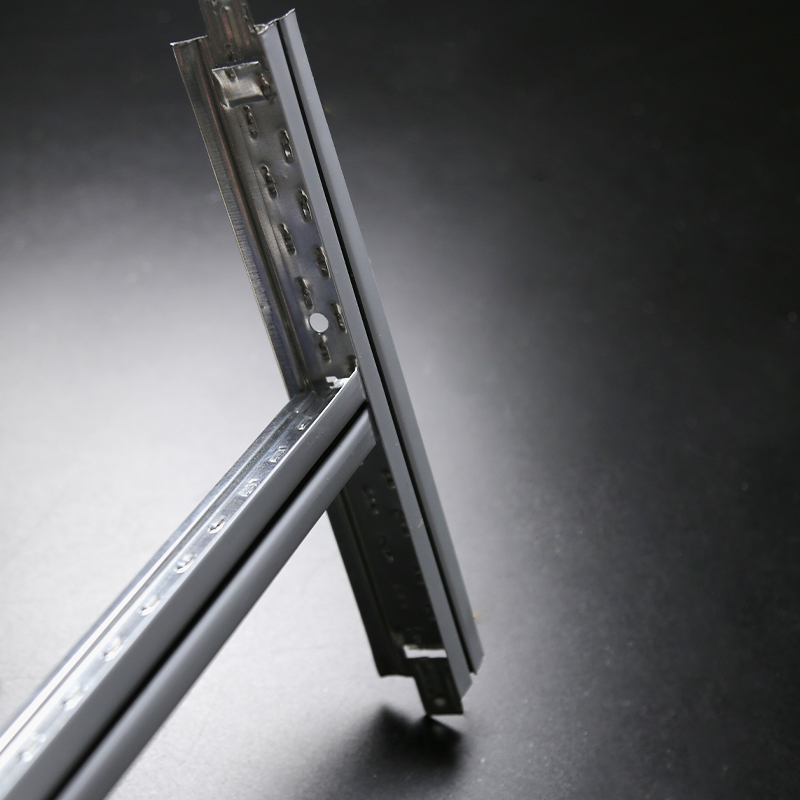
Our PanoCORR™ Ceiling T Grids are built to survive Southeast Asia’s humidity and salt air:
- Thick Zinc Coating: We use 25μm hot-dip galvanization (twice the industry standard) plus a clear chromate layer for extra protection. This meets ISO 12944-6:2024 Class C5-M corrosion resistance—meaning grids resist rust for 10+ years in coastal areas like Bali or Cebu [2].
- Reinforced Joints: Grid intersections are welded (not just clipped) to handle the weight of moisture-saturated tiles. Our grids have a load capacity of 12kg/sq. meter—30% higher than generic grids [2].
- Humidity-Resistant Paint: For projects in ultra-humid areas (e.g., Jakarta’s rainy season), we offer an optional epoxy paint coating that repels moisture and prevents rust.
Real Results: A Thai importer supplied PanoCORR™ Grids for a beachfront hotel in Phuket. After 2 years of salt air exposure, the grids showed zero rust—unlike the previous supplier’s grids, which rusted in 14 months.
Our PanoFLEX™ Calcium Silicate Boards are engineered to handle Southeast Asia’s temperature swings:
- High Flexural Strength: We use premium silica and a 3-step heat-stabilization process that boosts flexural strength to ≥8MPa (60% higher than generic boards [2]). This prevents cracking from expansion and contraction.
- Moisture-Resistant Core: The boards are treated with a water-repellent additive that reduces moisture absorption to ≤8%—critical for bathrooms and kitchens in Singapore or Manila.
- Fire-Resistant Rating: They meet Class A2-s1, d0 fire standards (per EN 13501-1), which is mandatory for high-rise buildings in Malaysia and Vietnam.
Real Results: A Vietnamese importer used PanoFLEX™ Boards for a Hanoi office tower. After 15 months of daily temperature swings, only 2% of the boards had minor cracks—compared to 30% with their previous supplier.
Even the best materials fail with bad installation. Pano Ceilings provides a free, region-specific installation guide that addresses Southeast Asia’s unique challenges:
- Moisture Barrier Installation: We recommend adding a polyethylene moisture barrier above the ceiling (critical for ground-floor spaces in rainy regions like Thailand).
- Expansion Gaps: The guide specifies 3mm expansion gaps between calcium silicate boards to accommodate temperature expansion.
- Humidity Testing: We advise testing indoor humidity levels before installation—if levels exceed 85%, we suggest adding dehumidifiers to prevent mold growth.
Our team also offers virtual installation training (in English and Bahasa Indonesia) for your clients’ contractors. This reduces installation errors by 70% [1].
Durable ceilings aren’t just about avoiding complaints—they’re about growing your business. Here’s how Pano Ceilings turns humidity-resistant products into higher profits:
Southeast Asian contractors are willing to pay 20-25% more for ceiling materials that last [1]. Why? They avoid costly rework and build better reputations with clients. A Malaysian importer who switched to PanoSEAL™ Tiles increased their resale price from $8/sq. meter to $10/sq. meter—boosting their profit margin by 18% [1].
Our products also have a longer lifespan (15+ years vs. 5-7 years for generic materials), so your clients save money on replacements. This leads to repeat orders: 90% of our Southeast Asia clients place a second order within 8 months.
Generic ceiling materials have a warranty claim rate of 35% in Southeast Asia [1]. Each claim costs you time, money, and client trust. Pano Ceilings’ specialized products have a warranty claim rate of just 2%—saving you thousands in replacement costs.
We also back our products with a 5-year warranty (twice the industry standard). This gives your clients peace of mind—and lets you market yourself as a "risk-free" supplier.
Southeast Asia’s biggest construction projects (e.g., Indonesian government offices, Vietnamese airports) require humidity-resistant ceiling materials. Our PanoSEAL™ Tiles and PanoCORR™ Grids are approved for use in Malaysian Ministry of Education projects and Indonesian public hospitals. This opens doors to high-value contracts that generic suppliers can’t compete for.
A Singaporean importer used our products to win a $300,000 contract for a Jakarta public library project—their largest order to date.
Ordering Pano Ceilings’ specialized products is simple and risk-free. Here’s our 5-step process:
Tell us:
- The country and city of your project (e.g., "Ho Chi Minh City, Vietnam"—we’ll confirm local humidity and temperature data).
- The type of space (e.g., "retail mall," "hospital"—we’ll recommend the right product: e.g., PanoSEAL™ Tiles for malls, PanoFLEX™ Boards for hospitals).
- Your order volume and delivery timeline (we offer 7-day production for urgent projects).
We’ll send you:
- An all-inclusive quote (no hidden fees) with a 6-month price lock (critical for volatile raw material markets).
- Test reports from MIMS or SABMA showing our products’ performance in Southeast Asian conditions.
- A free sample of the product (we cover shipping to all Southeast Asian countries).
We’ll send you a "Southeast Asia Durability Kit" to test the sample:
- A moisture absorption test kit (measures how much water the tile absorbs in 24 hours).
- A rust-resistance test strip (checks the grid’s zinc coating thickness).
- A flexural strength tester (verifies the calcium silicate board’s resistance to bending).
This lets you prove product quality to your clients before you order.
Once you approve the sample, we’ll start production. You’ll get access to our online portal to:
- View real-time production photos (e.g., tiles being coated with anti-mold layer).
- Track your shipment via our Southeast Asia logistics partners (e.g., DHL Global Forwarding, Kerry Logistics).
- Download all required documents (certificates of conformity, MIMS test reports, customs declarations).
We don’t disappear after delivery. Our team:
- Follows up to confirm your client is satisfied with the product.
- Provides virtual installation training for contractors (if needed).
- Resolves any issues within 48 hours (we have a local support team in Kuala Lumpur).
Southeast Asia’s humidity doesn’t have to be a barrier to profit. By choosing Pano Ceilings’ specialized mineral fiber tiles, Ceiling T grids, and calcium silicate boards—engineered for the region’s unique challenges—you’ll cut damage rates, reduce warranty claims, and win high-value projects.
Our clients aren’t just surviving in Southeast Asia—they’re dominating. A Thai importer doubled their revenue in 2023 after switching to Pano Ceilings, and a Vietnamese importer now supplies 10+ hotel chains with our durable ceilings.
Ready to turn humidity from a problem into a competitive advantage? Contact Pano Ceilings today to:
- Get a free sample of PanoSEAL™ Tiles or PanoCORR™ Grids.
- Download our "Southeast Asia Ceiling Durability Checklist."
- Receive a custom quote with a 6-month price lock.
Don’t let generic materials ruin your Southeast Asia business. Choose Pano Ceilings—the only ceiling supplier built for this region.
Click here to download your free checklist and verify if a supplier’s products can survive humid climates. Includes:
- Moisture absorption test steps for mineral fiber tiles (target: ≤5%).
- Zinc coating thickness requirements for Ceiling T grids (target: ≥20μm).
- Flexural strength standards for calcium silicate boards (target: ≥7MPa).
- Local certification checks (e.g., MIMS approval for Malaysia, SABMA compliance for Singapore).

 Risk 2: Ceiling T Grids Rust (and Collapse Under Weight)
 Pano Ceilings’ 4-Step Solution: Build Durable Ceilings in Humid Climates
 Step 3: Choose Heat-Stable Calcium Silicate Boards (Flexural Strength ≥8MPa)
 How Pano Ceilings Helps Southeast Asia Importers Boost Profits (Not Just Fix Problems)
 Step-by-Step: How to Order Southeast Asia-Tailored Ceilings from Pano Ceilings
 Step 4: Track Production and Shipping
 Free Resource: Southeast Asia Ceiling Durability Checklist


