
Light steel keels (also known as metal furring channels or steel framing systems) are a core structural component in modern ceiling and partition systems. While strength and load-bearing capacity are often the first considerations, corrosion resistance plays an equally critical role—especially in long-term commercial and industrial projects.
Different environments expose light steel keels to varying levels of moisture, chemicals, salt, and temperature fluctuations. Understanding how corrosion resistance works—and how to select the right keel specification—can significantly reduce maintenance costs, structural risks, and project failures.
 Why Corrosion Resistance Matters in Ceiling Systems
Corrosion weakens steel over time, leading to:
Reduced structural integrity
Deformation or sagging of ceiling systems
Staining or damage to ceiling panels
Increased maintenance and replacement costs
In concealed ceiling systems, corrosion issues are often discovered too late, making prevention far more important than repair.
The most widely used corrosion protection method is zinc galvanization.
How it works: Zinc forms a protective barrier and offers sacrificial protection.
Key indicator: Zinc coating weight (e.g. Z80, Z120, Z180, Z275).
Best for: Standard indoor commercial environments.
Higher zinc coating levels provide longer service life, especially in humid conditions.
 2. Pre-painted or Coated Steel Keels
Some light steel keels use additional surface coatings, such as:
Polyester or epoxy coatings
Anti-corrosion paint layers
These coatings add an extra barrier against moisture and airborne chemicals and are often used in semi-aggressive environments.
Corrosion risk: Low
Recommended specifications:
Standard galvanized light steel keels (Z80–Z120)
Normal thickness (0.4–0.6 mm)
These environments typically offer long service life with minimal corrosion concerns.
 2. High-Humidity Areas (Hospitals, Kitchens, Swimming Pools)
Corrosion risk: Medium to High
Challenges:
Constant moisture
Condensation above ceilings
Recommended solutions:
Higher zinc coating (Z180 or above)
Thicker steel sections
Optional painted or sealed keels
Proper ventilation design
 3. Coastal and Marine Environments
Corrosion risk: High
Salt-laden air accelerates corrosion even without direct water contact.
Recommended solutions:
Heavy galvanization (Z275)
Additional protective coatings
Strict quality control on cut edges and joints
This is one of the most demanding environments for light steel keel systems.
Corrosion risk: Very High
Factories, laboratories, and processing plants may release corrosive gases or particles.
Recommended solutions:
High zinc coating + industrial-grade surface coatings
Corrosion-resistant fasteners
Regular inspection schedules
Corrosion risk: Medium
Issues include:
Condensation from temperature differences
Freeze–thaw cycles
Recommended solutions:
Stable galvanized coatings
Proper insulation and vapor barriers
Avoiding exposed steel edges
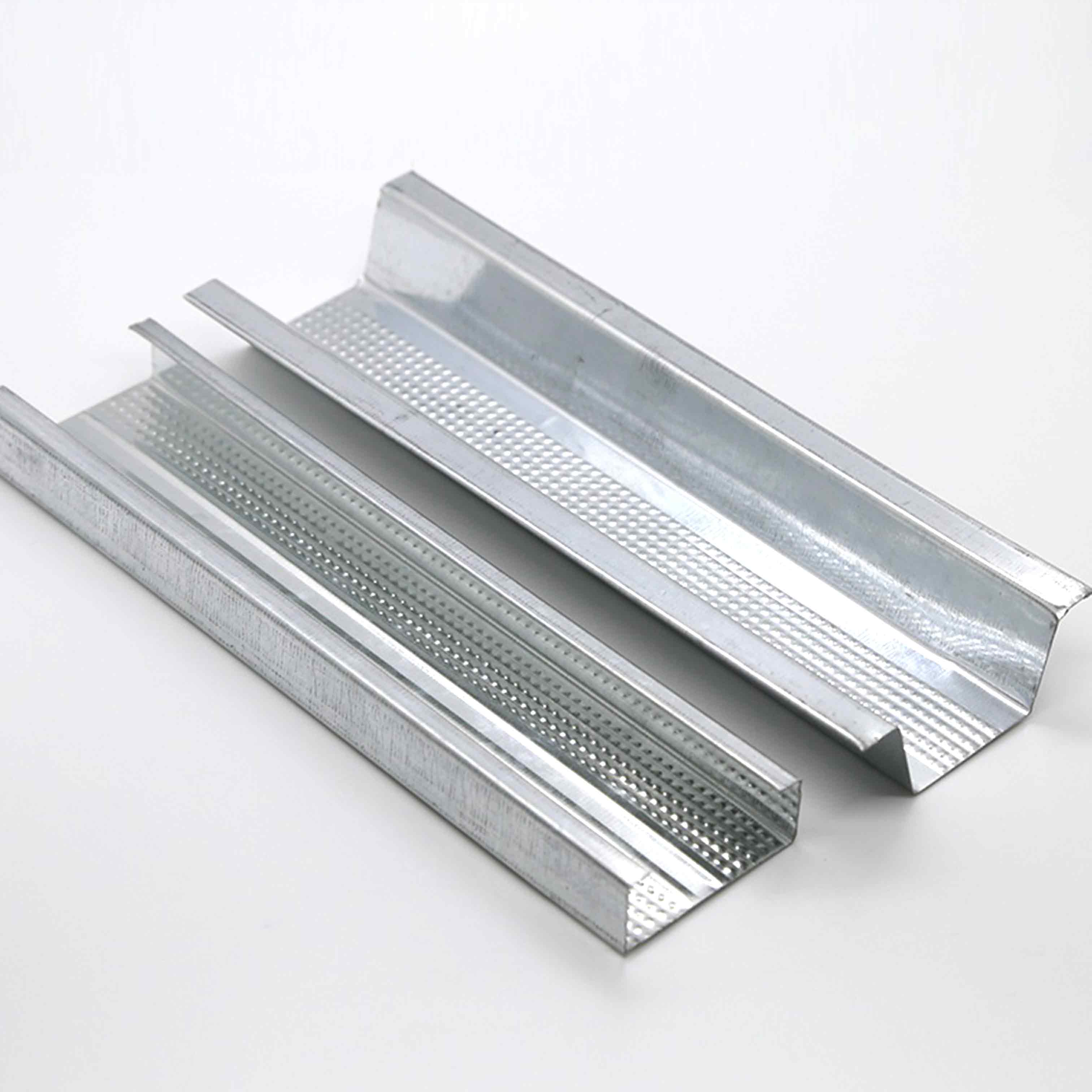 How to Choose the Right Light Steel Keel for Your Project
When sourcing or specifying light steel keels, always evaluate:
Project environment (humidity, salt, chemicals)
Zinc coating weight, not just “galvanized”
Steel thickness and profile design
Compliance with international standards
Supplier quality control and testing reports
A slightly higher upfront cost for corrosion resistance often results in significant long-term savings.
 Conclusion
Corrosion resistance is not a one-size-fits-all feature. The performance of light steel keels depends heavily on environmental conditions and protective treatments. By matching the right keel specification to the actual project environment, distributors, contractors, and developers can ensure durability, safety, and long service life for ceiling systems.
Choosing correctly at the sourcing stage is the most effective way to prevent hidden risks above the ceiling.


