
Ceiling keel systems (also known as ceiling frameworks) are the structural backbone of suspended ceilings. The two most common options—aluminum ceiling keels and light steel keels—are widely used in commercial, residential, and industrial projects.
Although both serve the same purpose, their material properties result in clear differences in weight, corrosion resistance, strength, cost, and long-term performance. This guide explains those differences to help importers, contractors, and project owners choose the right solution.
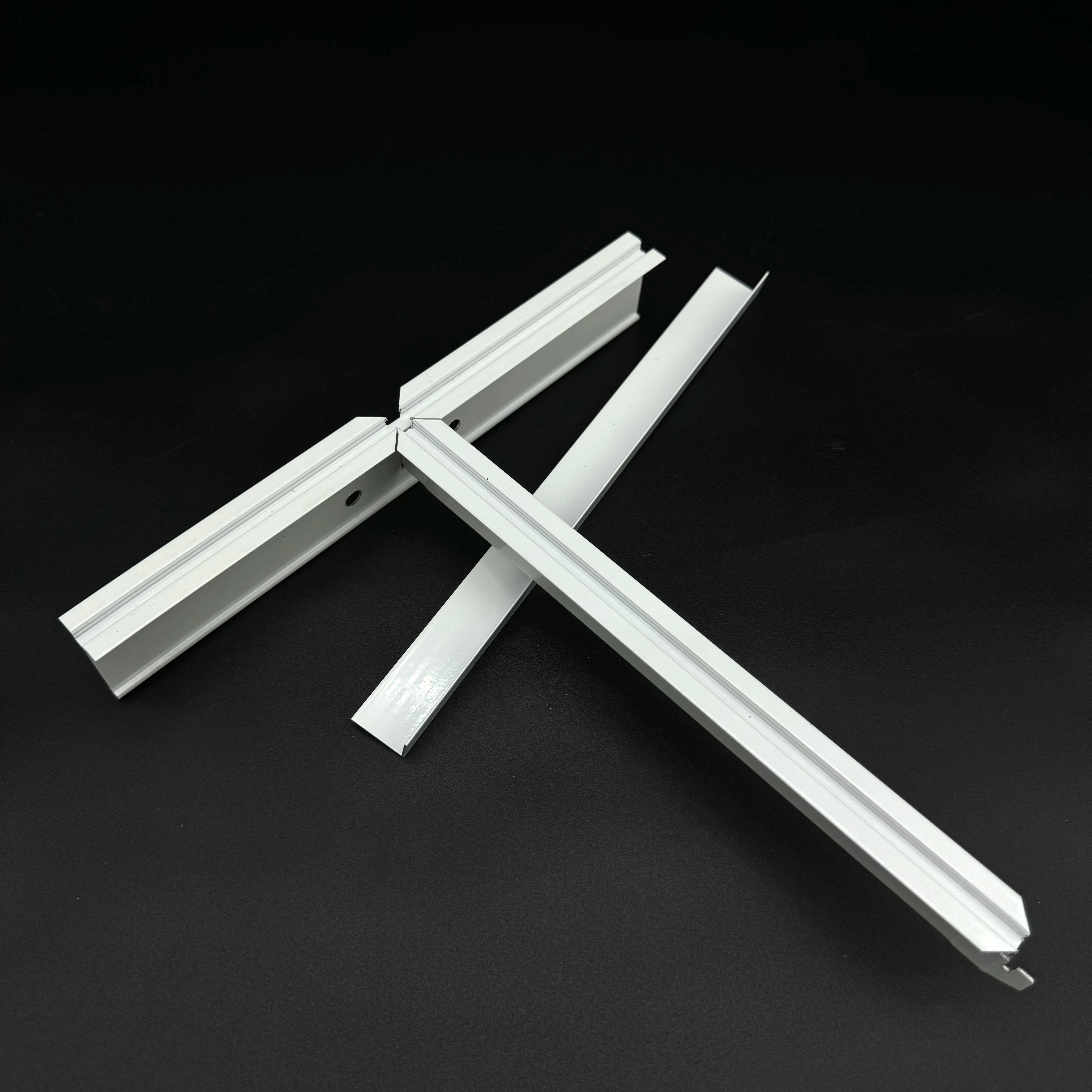 1. Material and Weight
Aluminum Ceiling Keel
Lightweight material
Easy to transport and handle
Reduces overall ceiling load
Light Steel Keel
Heavier and more rigid
Provides strong structural support
Suitable for large-span ceilings
Key insight: Aluminum keels are ideal where lightweight design and easy installation are priorities, while light steel keels are better for structural strength.
 2. Corrosion Resistance and Moisture Performance
Aluminum Keel
Naturally corrosion-resistant
Performs well in humid or coastal environments
Minimal surface treatment required
Light Steel Keel
Requires galvanization or coating
Long-term performance depends on coating quality
Key insight: Aluminum keels offer better long-term reliability in wet or high-humidity areas.
 Light Steel Keel
Higher load-bearing capacity
Suitable for heavy ceiling panels and fixtures
Preferred for large commercial and industrial ceilings
Aluminum Keel
Adequate for mineral fiber, gypsum, metal, and PVC ceiling panels
Not recommended for very heavy ceiling systems
Key insight: Choose light steel keels for heavy-duty applications; aluminum keels for standard commercial ceilings.
 4. Fire Performance
Both aluminum and steel keels are non-combustible materials. However:
Steel maintains structural strength longer at high temperatures
Aluminum softens faster under extreme heat
Key insight: Light steel keels are often preferred in projects with strict fire and structural regulations.
 Aluminum Keel
Faster installation
Lower labor fatigue
Ideal for large-scale commercial interiors
Light Steel Keel
More time-consuming installation
Requires stronger suspension systems
Key insight: Aluminum keels help reduce installation time and labor costs.
Aluminum keels generally have a higher material cost
Light steel keels offer a lower initial price
Lifecycle cost depends on environment and maintenance
Key insight: Steel is more cost-effective upfront; aluminum can be more economical long term in humid environments.
 7. Typical Applications
Aluminum Ceiling Keel
Offices and commercial interiors
Hospitals and healthcare facilities
Airports and transportation buildings
Moisture-sensitive environments
Light Steel Keel
Residential buildings
Industrial facilities
Warehouses
Cost-sensitive commercial projects
Before sourcing ceiling keel systems, buyers should verify:
Material thickness and tolerance
Surface treatment and corrosion protection
Load capacity and span capability
Compatibility with ceiling panels
Compliance with local building standards
 Conclusion
There is no universal “better” option between aluminum ceiling keels and light steel keels. Aluminum excels in corrosion resistance, lightweight design, and installation efficiency, while light steel offers superior strength and cost advantages for heavy-duty applications.
For importers and distributors, offering both options—and clearly explaining their differences—can significantly increase customer trust and conversion rates.


